

Even though it’s classic, you’ll always find shadow creation techniques for product photography accompanied by a trendy craze. The natural shadow, reflection shadow, and shadow cast come with their long-standing traditional charms to fascinate you in a novel way each time.
There is a tendency to place the widely used soft and dark shadows, but you will not see the slightest lack of creativity in the shots of product photographers.
While many are eager to see drop shadows and floating shadows as one, it is amazing how skillfully the capturers highlight the subtle differences between them!
In today’s blog, you will see how the use of shadows in product photography can be taken to an engaging level that leaves a mark on the minds of customers. Let’s begin!
TL;DR:
- Natural shadows excel at the originality of the product, drop shadows bring out the floating look, while floating shadows especially flourish the 3D vibe.
- Reflection shadow responds to the luxury appeal, shadow cast binds the ambient to the bond of art, while soft shadows remain in minimal corners, and dark shadows adore the uncompromising exposure.
Quick Chart: Shadow Creation Techniques for Product Photography
| Shadow Variety | How It Presents the Product |
| Natural Shadow | Strongly maintains originality and realism |
| Drop Shadow | Makes the product stand out with a floating effect |
| Reflection Shadow | Adds an elegant reflection for a premium look |
| Cast Shadow | Shows how the product connects with its environment |
| Floating Shadow | Enhances the 3D appearance and depth |
| Soft Shadow | Highlights features naturally without harsh contrast |
| Dark Shadow | Creates bold contrast and dramatic exposure |
Recreating the natural shadow of reality
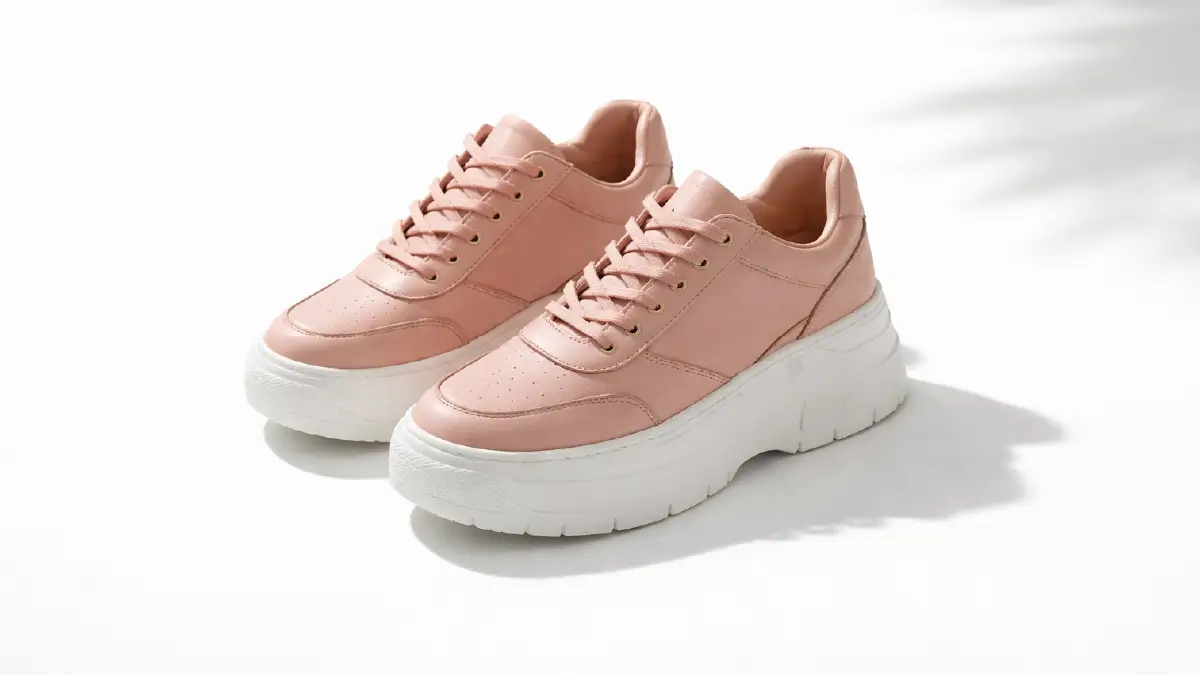
How would a bonsai tree look in the shade of a bicycle on a sunny afternoon? The shadow of the bicycle handle on a plant would make them seem like the two things were made to exist together in such an environment.
You don’t want to miss this grand exhibition of light and shadow. Because creating this naturalness with photo editing tools is complicated, too polished, saturated, and too shiny looks can’t overrule real flaws.
And it is this natural imperfection that gives the product authenticity, which is both believable and more acceptable to the viewer.
Putting drop shadows into action for a floating feel

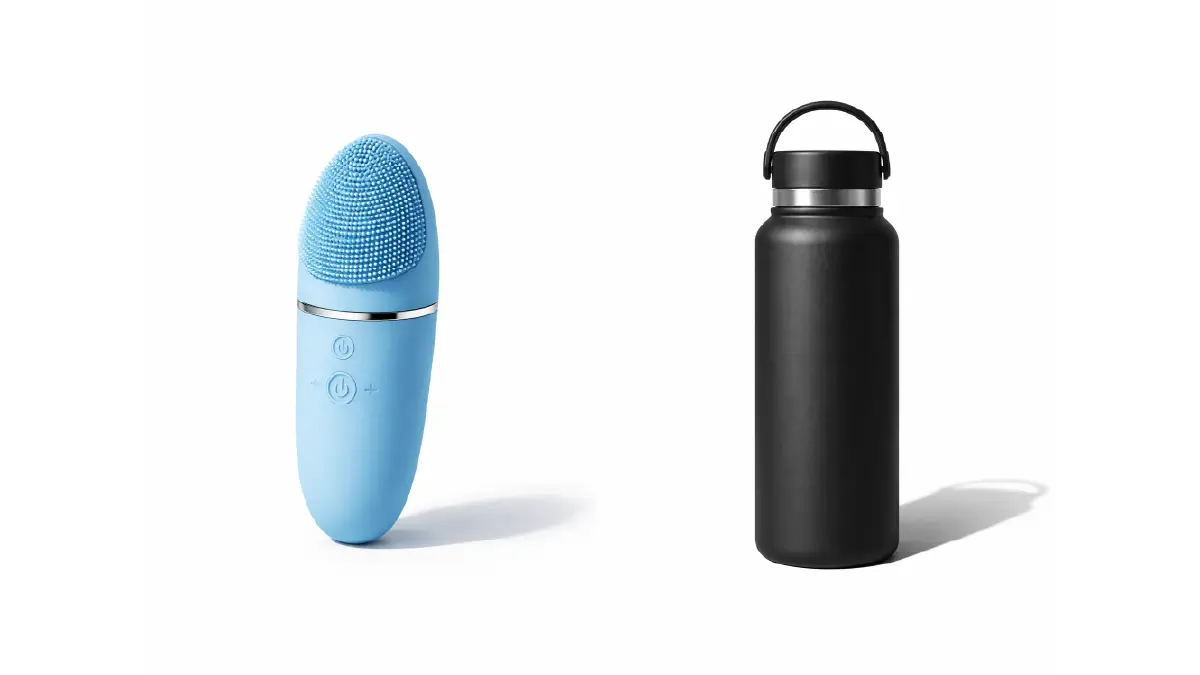
You can never ignore the drop shadow as long as you want to make your product look floating in your photography. This technique of adding a faint black line just below any piece of gadget or furniture that meets the floor is a favorite among photographers.
Without this classic way of displaying products, you risk losing products like white cricket balls to their white background. So you can see how much difference a fine, thin black outline can make by highlighting the product!
Echoing the shadow of a mirror reflection

How uniquely can you capture the appeal of shiny items like jewelry? The answer lies in capturing the shadow of reflection, a technique often used by photographers.
The reflection of a tree leaning against the still water of a glass-like lake adds a different dimension to the scene. You can even take such mirror images to an expensive, elite level.
You can show off this aura in everything from ornaments to the polished body of automobiles (like cars or bikes of the latest model).
Narrative building in the shadow cast
A cast shadow can make a product not just a picture, but the centerpiece of an entire story. Here, the shadow of your product extends from the very edge of the product that is attached to the stage or platform where it is placed.
You will see photographers using the intense light of midday to push this shadow casting at different angles. This action is so great that it clearly brings out the 3D shape of the product.
Through this, the effect of the environment around the object also becomes stronger, where the viewer finds much more than just a still image.
Weaving spells through floating shadows
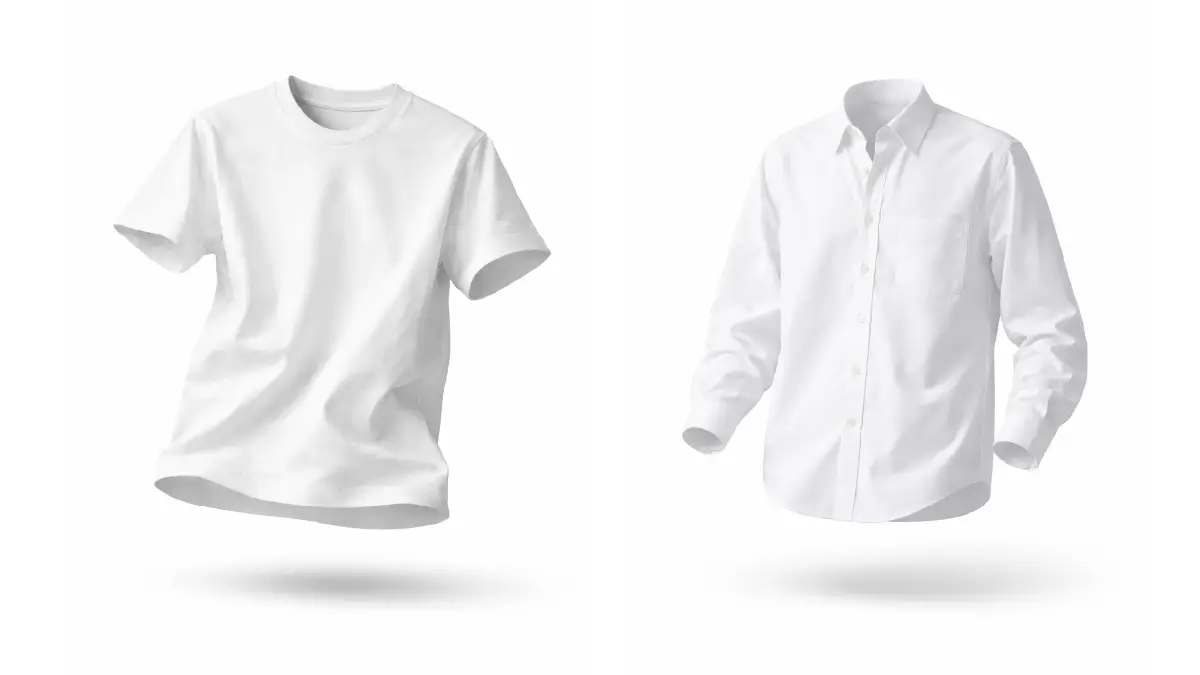
Like the drop shadow, this shadow technique also makes the product appear to be floating in space. However, the difference is that the floating shadow creates a more realistic effect, as if the object is actually there.
The bold shadow, placed in a small area slightly below the product, gives an almost 3D feel.
You must have seen how impressive this eyesoothing shadow creation technique makes home and tech gadgets. Especially for such presentations, most customers go as far as to read the detailed descriptions marked around the product.
Using soft and dark shadows in contrast
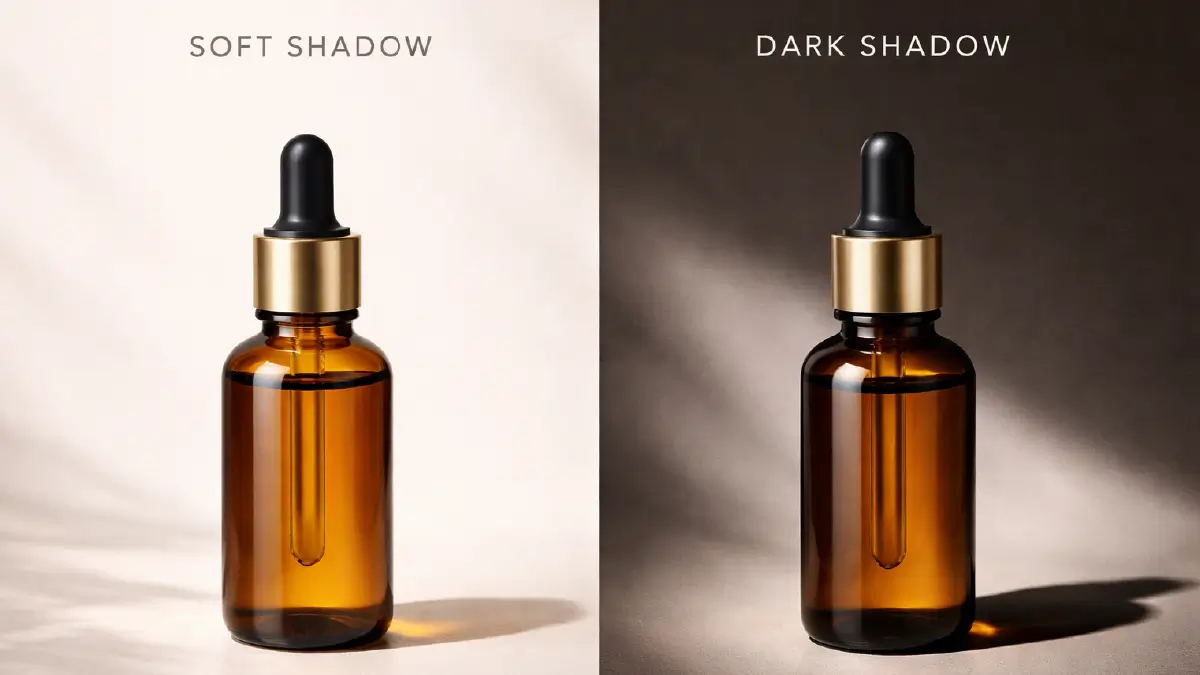
A subtle shadow that seems quite vague or a sharp one that is quite visible; which shade will you choose? You will find the barely noticeable blurred shadow as a provider of a minimal and elegant ambient.
And the blind shadow lines that stick out to the eye strongly convey the dimensions of the product. Its clarity is so loud that it easily catches the attention of the customer, even creating a tendency to remember it for a long time.
You will often see those who practice the art of creativity deeply with product photography using these two techniques in a significant way.
Frequently Asked Questions about Shadow Creation Techniques
1. Which of the shadow creation techniques for product photography is about bringing out its authenticity?
To bring out the authenticity of the product, you first need to focus on keeping the natural shadows intact. The more raw you can keep this reality, the better; even if it is flawed. Because if visitors find in the picture only the things they are used to seeing in their daily lives, then they will have no doubts about the product.
2. What shadow techniques can I use to create a floating look for my product?
Both drop shadows and floating shadows are used to craft a floating look for your product. However, the two methods differ depending on how you want to display the floating.
Drop shadows basically give the product a pop-out vibe from its background, where you can see its dimensions in a strong way. Floating, on the contrary, gives your product a more 3D look that will positively engage your audience.
3. Which shadow method is best to use for ornaments or jewelry photography?
Jewelry products are all about sparkle, glass shine, and reflection. To showcase these beautifully, you need to go for the reflection shadow method. By adopting this process, you can bring every feature of your jewelry to the attention of the viewer in a way that will convince them of its premium quality.
4. Can I give my product a 3D look by using shadow cast?
Of course you can. By keeping the natural light or lighting system behind the product, you can cast the shadow of the product at different angles by moving the camera back and forth or right and left. This way, when the photo is taken, you will see that the product in the photo has a great, exhibition-ready 3D vibe.
5. What is the difference between soft and dark shadows?
Soft shadows are defined as vague, blurry, soft, almost disappearing shadows that you have to pay close attention to notice. On the other hand, dark shadows are defined as clear, intense, hard, bright, and deep glows that catch your eye in no time.
Wrapping Up
Overall, the best way to showcase your product’s features to the customer is to implement shadow creation techniques for product photography. Among them, you will want to use natural shadows for the uniqueness of the product, where reflection shadows are your best option for jewelry products, particularly.
If your main focus is to extract the 3D feeling, go for floating shadows or shadow casting, while drop shadows give you a floating vibe. You can go for complementary soft and dark shadows, for blending in the surroundings and art, as well as exposure.
Overall, these shadow making processes create a long-lasting impression of your product among the audience, which is good for stabilizing rapid conversions.