


Simply having a clear photo isn’t enough; you must use the best size for e-commerce product images to ensure fast loading times and crisp displays. Undoubtedly, high-quality visuals are the heartbeat of online sales.
An improperly sized image can blur your products or slow down your site, leading to abandoned carts. This guide reveals the ideal dimensions to keep your store professional and high-performing.
What is the Best Size for E-Commerce Product Images?
For most modern online stores, the best image size for e-commerce products is 2000 x 2000 pixels. This 1:1 square aspect ratio provides enough resolution for high-quality zoom functionality without compromising your website’s loading speed.
An image size consists of two attributes: width and length/height. It is often called resolution. We generally measure the physical dimension and resolution of photos in pixels. A high-proportion image contains more details than a low-sized one. The resolution of a photo is defined by width and length (1920×1080) or total pixels (2,073,600). An image with a high KB or MB contains more pixels. Choosing the right e-commerce image dimension is crucial to improving user experience and optimizing page loading times. For example, slideshow images have a wide shape, which is perfect for displaying new arrivals. They are large images compared to blogs or thumbnail photos.
Different Types and Sizes of E-commerce Product Images
Not all types and proportions of photos of online goods serve the same purpose. E-business item images come in various types: small, medium, large, etc.
Small-sized Product Images
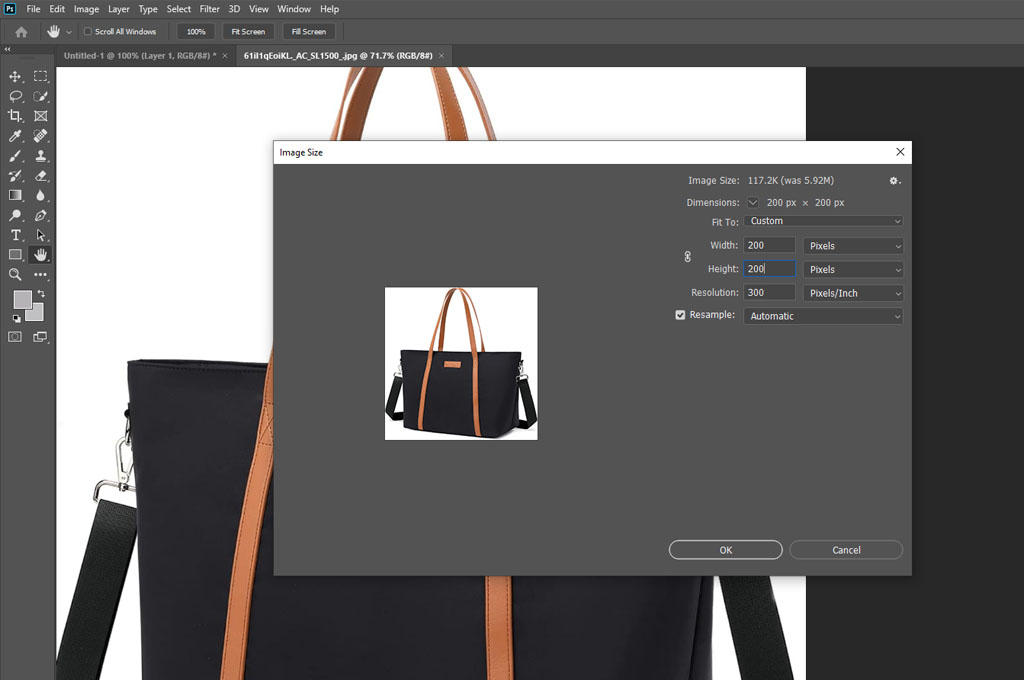
This type of photo is mainly used as Thumbnails. It is around 100×200 or 200×200. People usually use small-dimension pictures for category page goods’ images. These tiny visuals give users a hint about the context without opening it.
Medium-sized Product Images
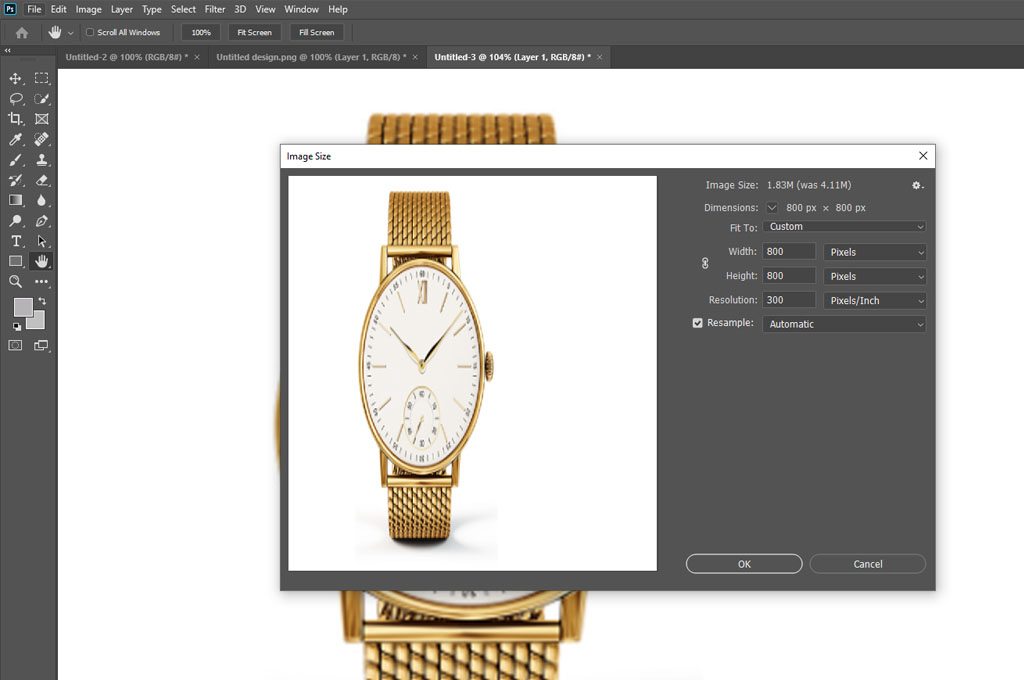
Online retailers use medium-dimension item photos to preview a single item. It must be clear and in detail. The ideal dimension is around 640 X 640 or 800 X 800. Customers can view the item from different angles, like front, back, side, etc.
Zoomable Images
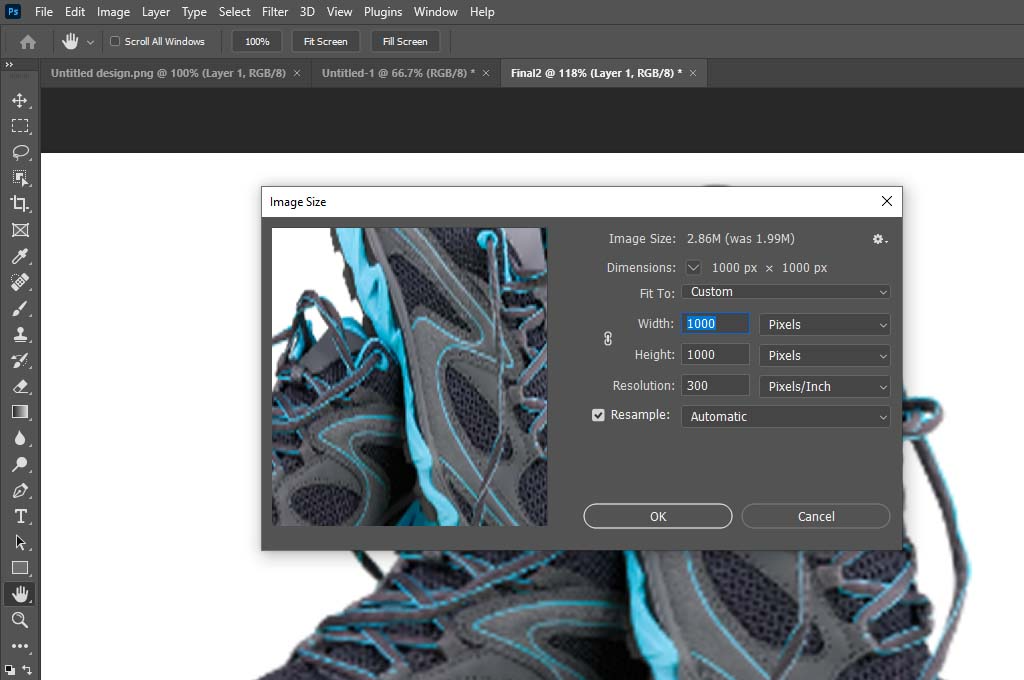
This type of picture allows online visitors to zoom in on the item photos to see the specific details, design, texture, shade, etc. Their standard resolution is 800 x 800 or 1000 x 1000.
360-degree Images
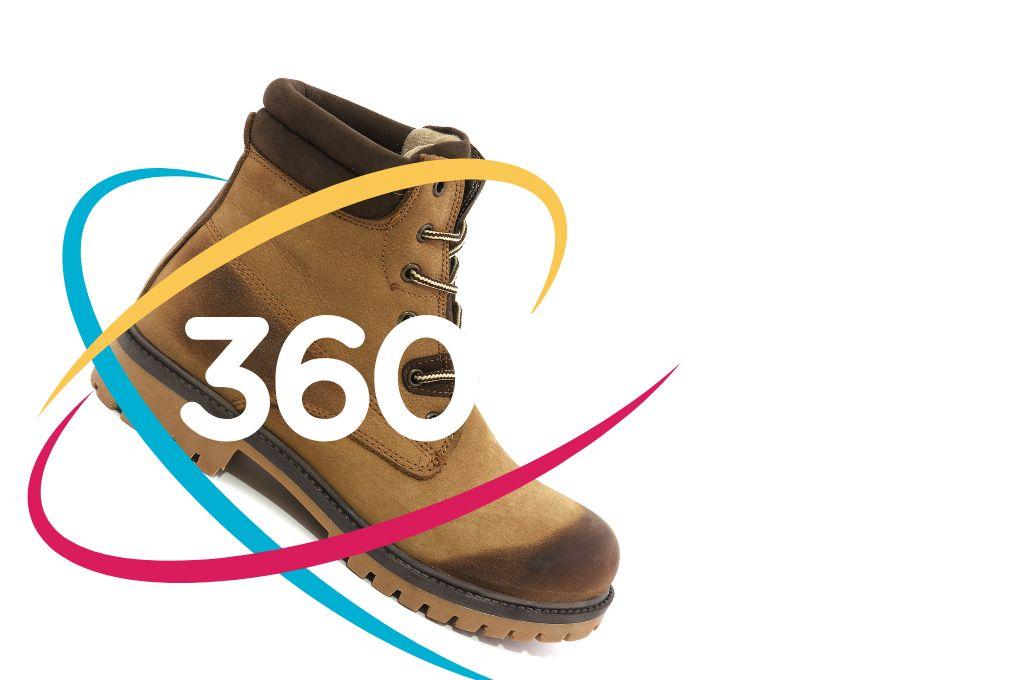
360-degree goods’ photos allow customers to see items from every angle, in real-time, by rotating them on different sides. It provides online viewers with an interactive and comprehensive experience. 360-degree item pictures come in various options, such as 4096×2048, 2000 x 2000, 2,500 x 2,500, etc. But the resolution should be 2:1.
Infographic Images
This type of picture is mainly used to convey primary goods’ features and selling points. It may contain text, icons, and graphics to give a quick idea about the item—the ideal dimensions for infographic photos, such as 600×1200, 1,200 x 675, etc.
Product Package Images
Goods’ packaging does much more than protect the item. It creates a positive impression at first glance and entices customers to learn more about the supplies. The measurement of the merchandise packaging image will vary depending on the item’s shape, weight, and dimensions.
Guide to Various E-commerce Sites Product Image Size
| E-commerce Brand | Minimum Resolution | Standard Resolution | Maximum Pixel Resolution | Maximum File Size | File Format |
| Amazon | 1000 x 1000 | 2000 x 2000 | 10000 x 10000 | 10 MB | TIFF, JPEG, GIF, PNG |
| Walmart | 500 x 500 | 2000 x 2000 | 10000 x 10000 | 5 MB | BMP, JPEG, PNG |
| Shopify | 800 x 800 | 2048 x 2048 | 4472 x 4472 | 20 MB | TIFF, JPEG, BMP, GIF, PNG |
| eBay | 500 x 500 | 1600 x 1600 | 9000 x 9000 | 12 MB | TIFF, JPEG, BMP, GIF, WEBP, HEIC, AVIF, PNG |
Choosing the Right File Format
Beyond dimensions, the format affects your page speed. While JPEG is the standard for high-detail photos, WebP is now considered the best size for e-commerce product photos in terms of data efficiency and offers high quality at significantly smaller file sizes.
Similar Reads for You
Final Words
Customers judge your brand through what you sell, and that’s where the best size for e-commerce product images comes into play. If your goods’ images are not compelling enough to attract customers and motivate them to buy items, you are not on the right track. Choose your goods’ photos carefully, and ensure they have the standard shape, dimensions, and quality before uploading them to your online site.