
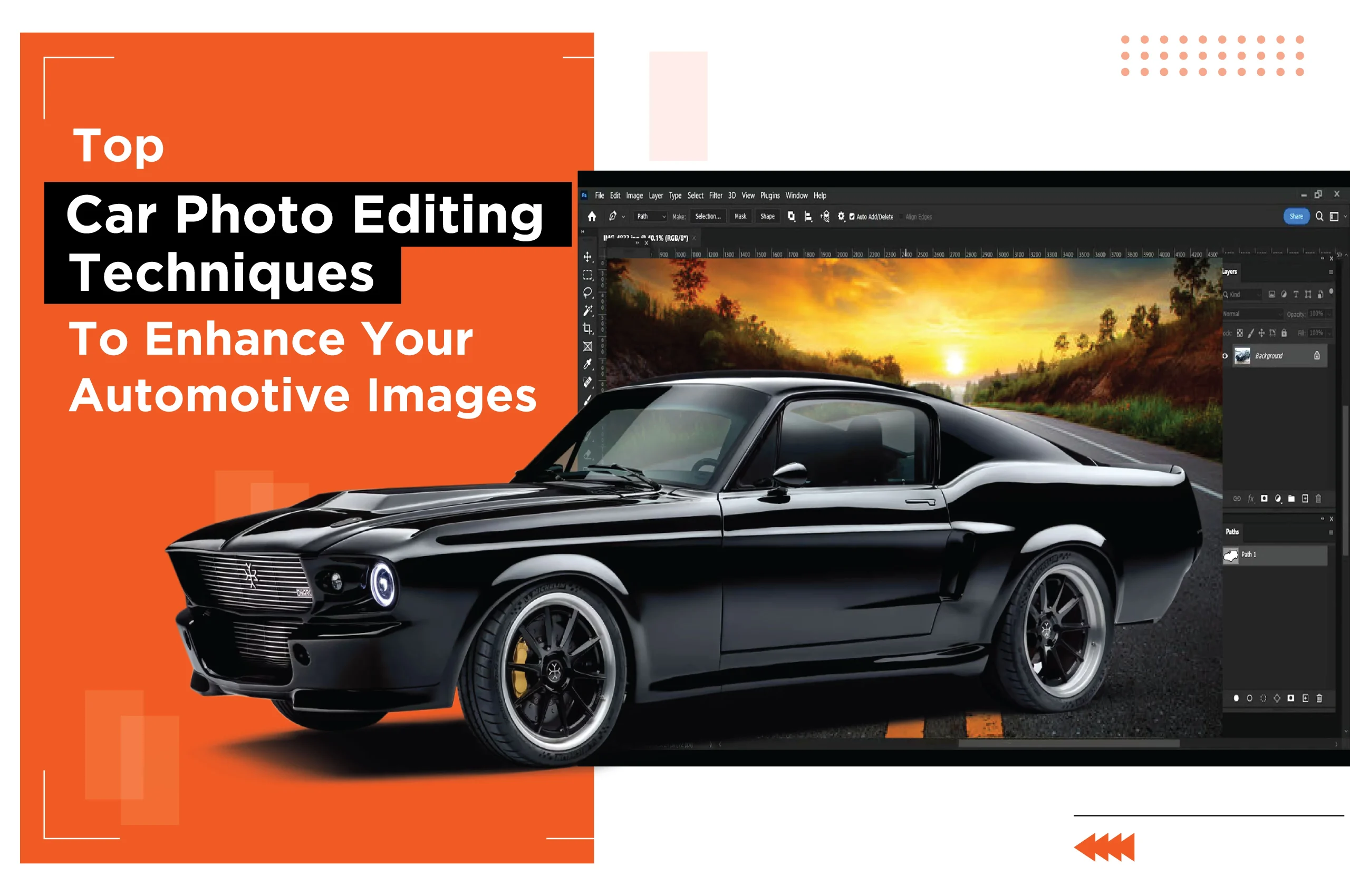
For your automotive business to make a strong first impression, photo editing services are essential. By knowing car photo editing techniques, Automotive businesses can attract customers worldwide.
Fixing car photos is key to delivering high-quality images for automotive photography. Vehicle websites typically deal with a bulk volume of images. It’s time-consuming for them to edit these photos.
Whether you’re selling a single vehicle or managing a dealership inventory, high-quality car photo edits are non-negotiable. To stay competitive, you must invest in professional car photo editing to ensure every detail shines.
Let’s explore the essential automotive retouching techniques used by experts to make car photos stand out.
Different types of car Image editing techniques
Before jumping into the details, let’s take a look at the following table that summarizes the essential car photo edits used to achieve a showroom-quality finish.
All 6 Key Techniques for Car Photo Editing at a Glance
| Technique | What it does | Ultimate goal |
| Clipping Path | Outlining the borders to separate the car from the background. | Creates a professional, isolated look for different settings. |
| Transparent Background | Removing distracting, odd, or dull backgrounds. | Makes the car stand out without any visual noise. |
| Background Replacement | Swapping original backgrounds for white or custom backdrops. | Keeps focus on the car; preferred for a clean, professional look. |
| Color Correction | Restoring colors lost due to lighting or camera settings. | Makes photos look accurate, appealing, and realistic. |
| Car Retouching | High-end polishing and restoration after the clipping path. | Makes images look luxurious, perfect, and showroom-quality. |
| Shadow Making | Handling natural or drop shadows during post-editing. | Prevents a “floating” look and maintains professional standards. |
The quick summary above gives you an understanding of what they are and what you get from them. Now let’s go deeper into each specific process to see how car photo retouching can elevate your brand’s visual identity.
Let’s dive into some of the key car photo editing techniques that are particularly useful for automotive businesses:
Clipping Path in Car Photo Editing
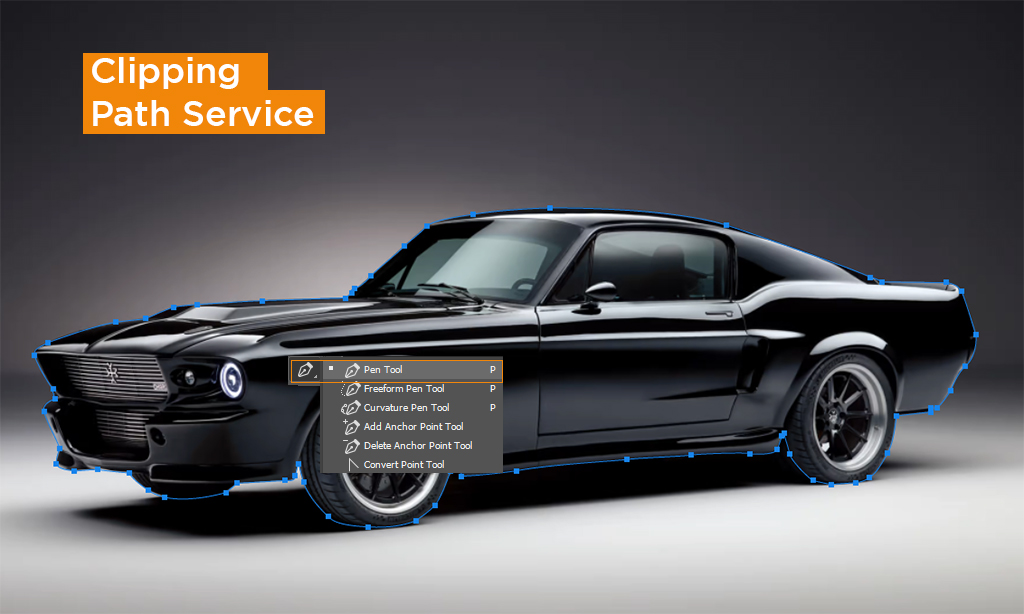
For automotive photo editing, the clipping path is extensively used to outline the car, separate it from the background, and use it in different settings. It’s a critical service that almost every automotive website requires to ensure their images look professional. Car photos that are well-edited using clipping paths tend to grab attention more quickly. Clipping Path involves outlining the borders of a car or vehicle to place it on a different background or object. This technique can be applied with different tools in Photoshop.
Car Image with Transparent Background
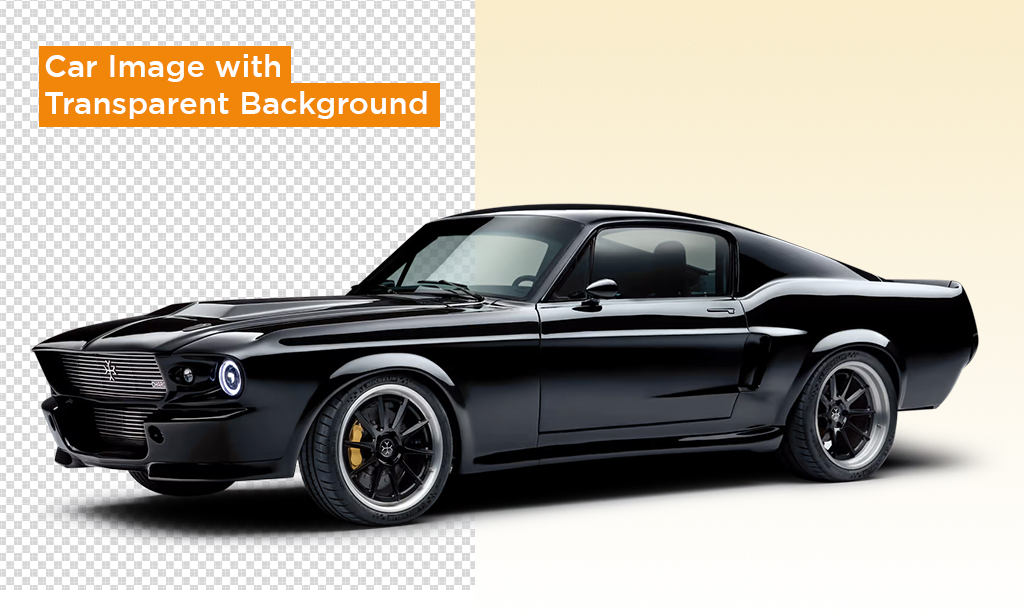
Imagine capturing a car photo and deciding to upload it to your website. Would you upload it as is, or would you enhance it by removing any distracting background? Removing odd or dull backgrounds is a simple yet effective method to make the car stand out. We commonly call it transparent background editing.
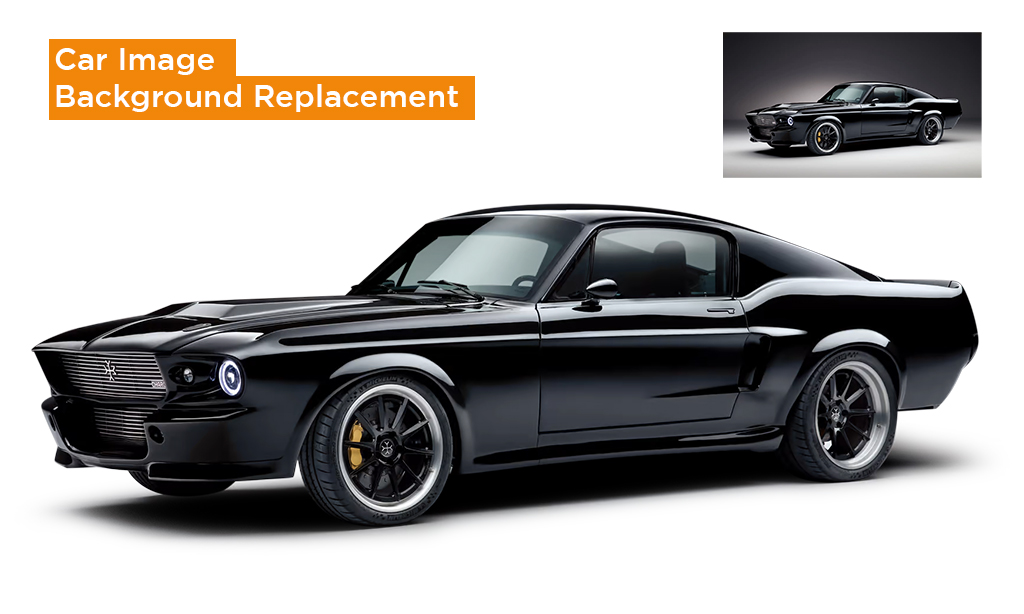
Car Image Background Replacement
Background removal and replacement are essential steps in car image editing. Most car photo editors prefer using a white background, as it doesn’t reflect color and keeps the focus on the car. However, depending on the project, other background colors might be used. Automotive photographers particularly favor white backgrounds for their clean and professional look
Car Color Correction
This technique is essential for automotive websites because sometimes car photos don’t capture the correct colors due to lighting, camera settings, or other factors. Car color correction helps restore or enhance these colors to make the photo look accurate and appealing.
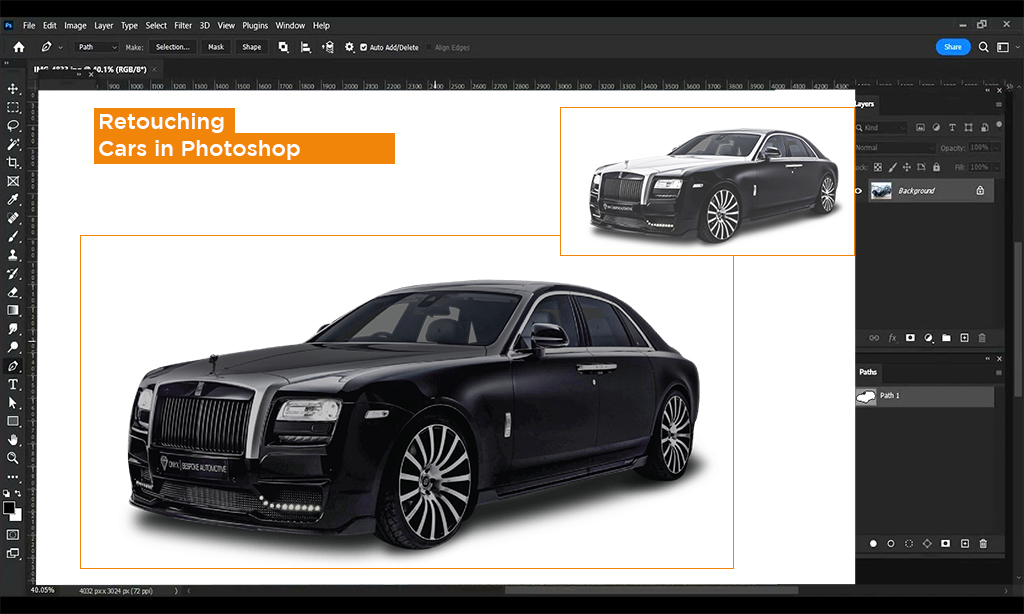
Retouching Cars in Photoshop
High-end car photo retouching is the next step after the clipping path. This process involves removing scratches, enhancing reflections, and polishing the paintwork. Advanced automotive retouching is what separates a basic snapshot from a luxury advertisement, making the vehicle look pristine and showroom-ready.
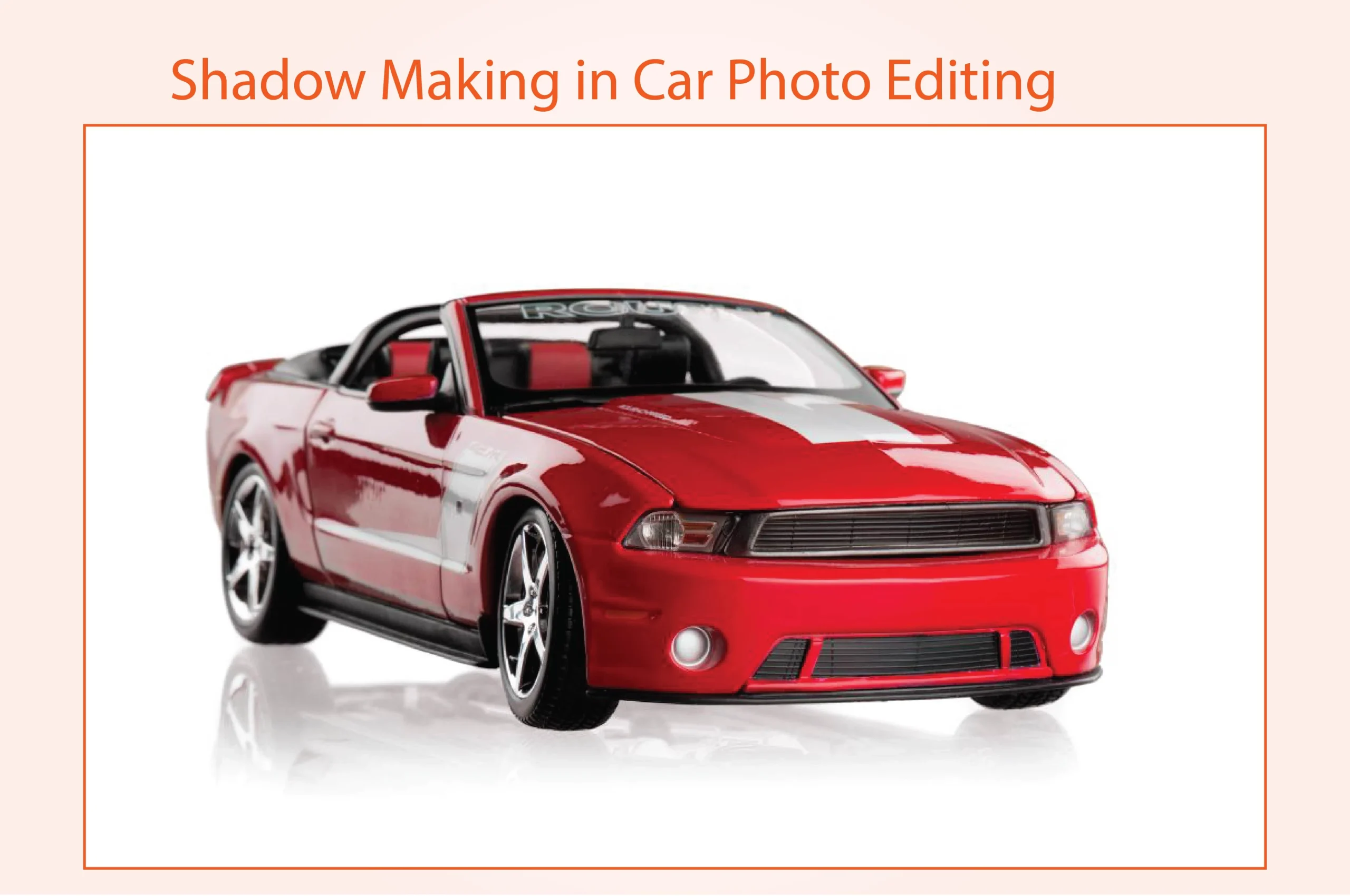
Shadow Making in Car Photo Editing
Shadows are an essential aspect of car image editing. When you capture a car photo, shadows are naturally present. But post-editors need to handle them carefully.
- Natural Shadow: This involves maintaining the car’s natural shadow while replacing the background, ensuring the photo looks realistic and professional.
- Drop Shadow: A drop shadow is often an unwanted element in car photos. If left untreated, it can distract viewers from the main subject. Retouching Zone corrects and adjusts drop shadows to meet professional standards.
Frequently Asked Questions About Automotive Photo Editing
1. Why is professional car photo editing important for e-commerce?
Professional car photo editing is essential because it builds immediate trust with buyers. High-quality car photo edits remove distractions, correct lighting inconsistencies, and present vehicles in a “showroom-ready” state. This level of polish is proven to increase click-through rates on vehicle listing pages and improve overall brand credibility.
2. How does the clipping path technique benefit automotive websites?
A clipping path is a precise selection tool used to isolate a vehicle from its original background. This allows editors to perform seamless automotive retouching, such as placing the car against a clean white backdrop or a luxury showroom setting. It ensures sharp edges and a professional look that attracts premium buyers.
3. What is the difference between natural shadow and drop shadow in car images?
Natural shadow preserves the original lighting found under the car during the shoot, maintaining a realistic, grounded look after a background replacement. A drop shadow is a digitally created shadow used to add depth when the original lighting is poor. Both are critical parts of car photo retouching to ensure the vehicle doesn’t look like it is “floating” in the air.
4. Why should I use a white background for my car photos?
Most automotive editors and photographers recommend a white background because it is neutral and does not reflect unwanted colors onto the car’s paintwork. It provides a clean, distraction-free environment that keeps the buyer’s full attention on the vehicle’s features, which is why it is the standard for major platforms like Alibaba.
5. Can car color correction fix poor lighting in original photos?
Final Words
By implementing these professional car photo editing techniques, you ensure your inventory looks pristine, accurate, and trustworthy. Whether it is through precise automotive retouching or realistic shadow placement, high-quality visuals are the key to driving global engagement.
If you’re looking to elevate your brand’s presentation, Retouching Zone is here to help. We help automotive businesses present their products in a better way. Whether you need car color correction, clipping path, or shadow adjustment, their expert team is ready to help, 24/7.