
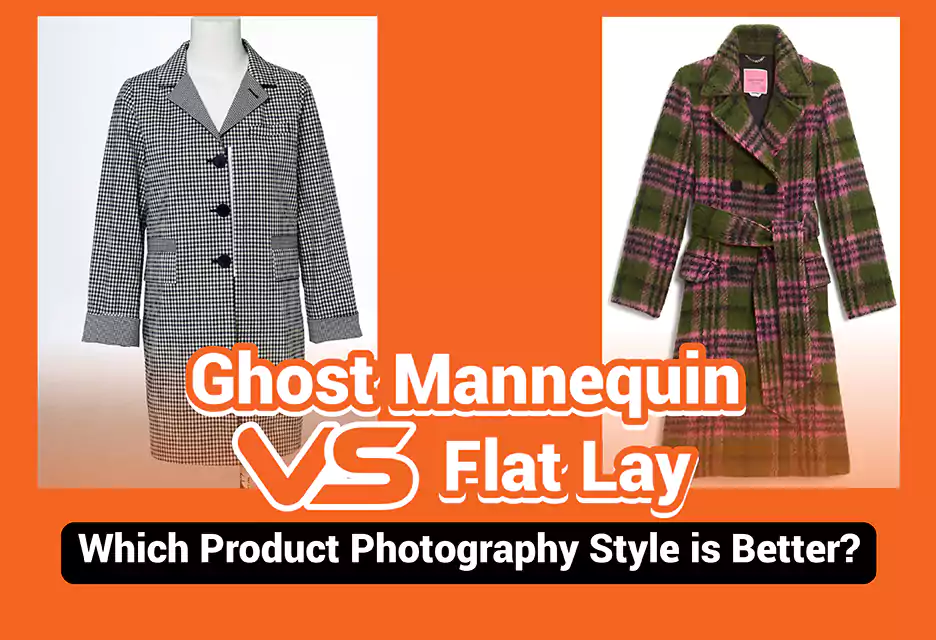
The ghost mannequin vs flat lay photography debate is still relevant even in 2026, as they have been used as a complement to each other for a long time. You can distinguish your brand identity from competitors using these product photography techniques.
These two photography styles differ in various aspects like positioning, angle, and even physical elements. This article will highlight the core difference between ghost mannequin and flat lay photography, along with the best cases for choosing each style.
What Is Ghost Mannequin Photography?
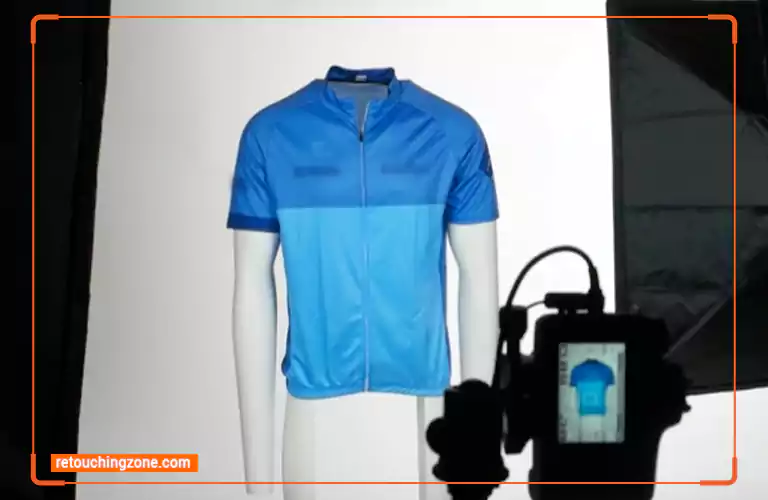
Ghost mannequin photography, also known as ‘invisible mannequin’ or ‘hollow-man’ photography, is a technique where clothes are photographed on a mannequin, then the mannequin is digitally removed in post-production. This creates a 3D, floating effect showing the product’s real shape, fit, and structure—as if worn by an invisible model.
Advantages of Ghost Mannequin Photography
- Delivers a professional, clean look
- Uniform product style across catalogs
- Reveals true fit and garment shape
- Offers dynamic and static posing options
- Focuses attention solely on apparel, avoiding distractions
- Easy setup with basic studio props
Disadvantages
- Requires professional mannequins and equipment
- Higher post-production costs and skills
- Takes time to set up and edit
- Not ideal for all product types or luxury items
What Is Flat Lay Photography?
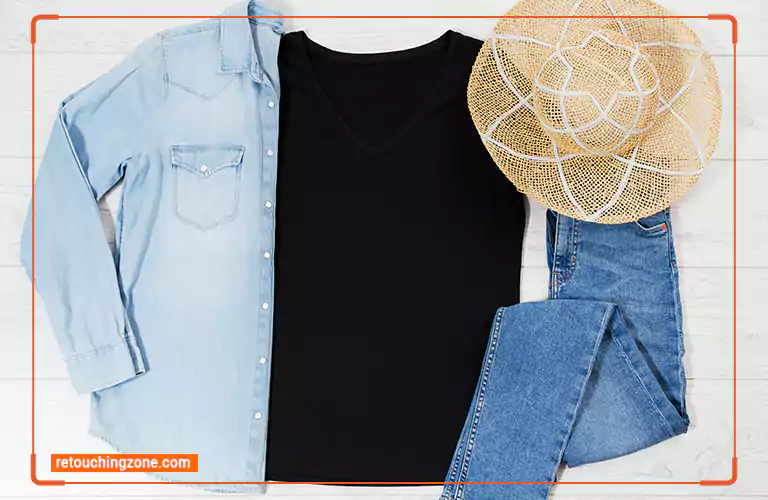
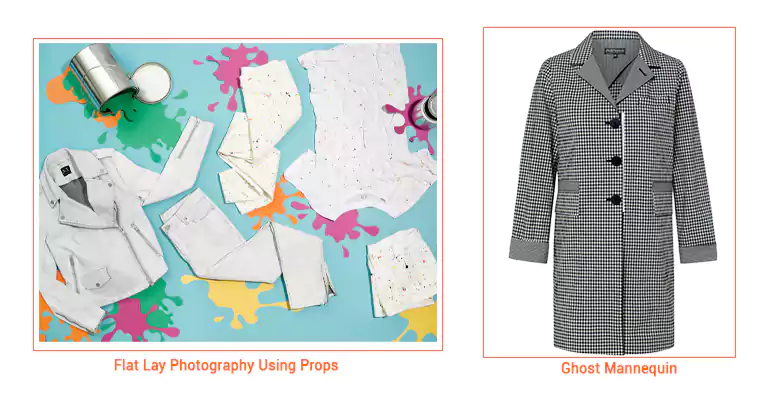
Flat lay photography presents products placed on a flat surface and photographed from above, creating a bird’s-eye 2D perspective. Ideal for showcasing creative arrangements, patterns, textures, and lifestyle themes, flat lay allows brands to express personality and visually narrate stories.
Advantages of Flat Lay Photography
- Perfect for detail-oriented imagery
- Highlights textures and prints beautifully
- Allows creative styling with diverse props
- Suitable for a wide range of product sizes
- Fast, affordable setup
- Ample room for creativity and experimentation
Disadvantages
- Lacks the ability to show item fit and size clearly
- Difficult to capture large products artistically
- Requires meticulous styling for best results
- Limited three-dimensional impact
Ghost Mannequin vs Flat Lay: A Quick Comparison
While both styles have their merits, many scaling brands eventually transition from flat lay to ghost mannequin photography to provide a more high-end look for their online store. The following table breaks down the core differences to help you decide which stage your brand is currently in.
| Factor | Ghost Mannequin Photography | Flat Lay Photography |
|---|---|---|
| Product View | 3D, realistic fit and shape | 2D, top-down, creative arrangement |
| Best For | Apparel, fashion e-commerce | Lifestyle, accessories, variety brands |
| Visual Style | Professional, clean, uniform | Creative, playful, story-driven |
| Setup & Cost | Requires mannequin, studio equipment | Affordable, requires flat surface |
| Props Needed | Minimal or none | Creative props encouraged |
| Editing Complexity | Advanced Photoshop, time-consuming | Basic retouching, quick enhancement |
| Versatility | Focused, less versatile | Highly versatile for social media, blogs |
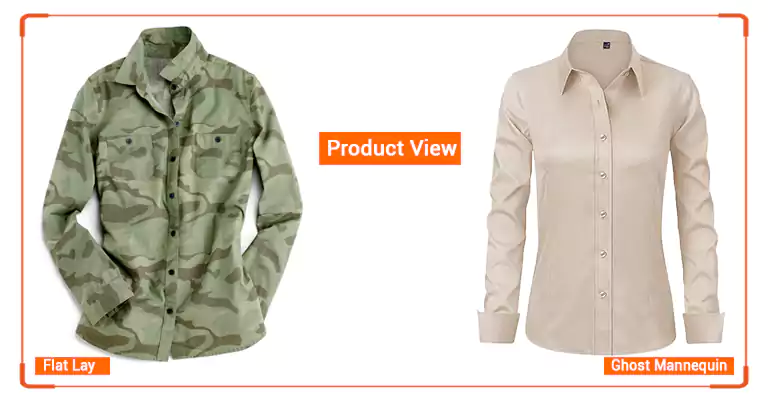
Product View
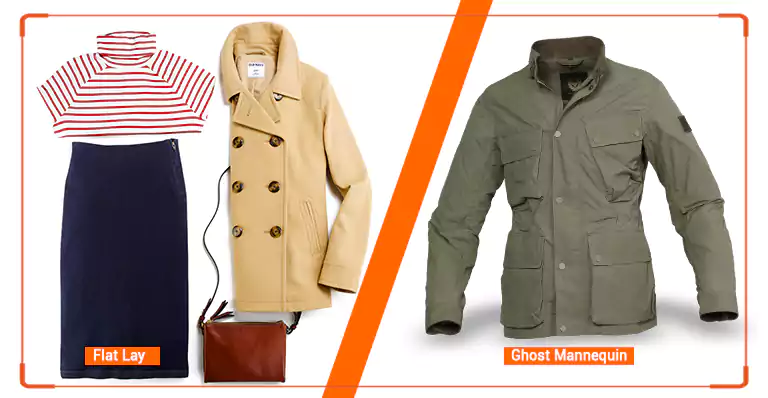
Ghost mannequin creates a 360-degree view or “3D floating” effect of the product. Its comprehensive view helps customers understand the product size and draping from different angles.
In contrast, flat-lay shooting style creates a two-dimensional view of the product. They lack visual depth as you showcase products from a single, fixed perspective.
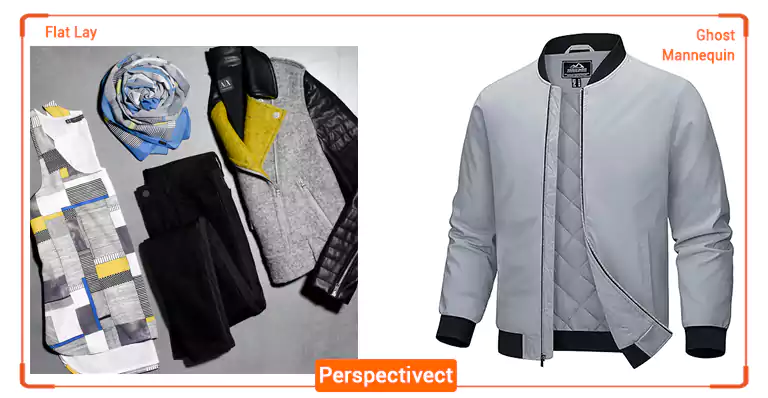
Perspective
Invisible mannequin looks more professional due to a consistent and uniform style across all product listings. The clothing’s structure, design, and fit have a professional vibe. Customers can visualize how they will look after wearing the garment.
On the contrary, top-down photography is more about creativity than professionalism. The photographer must use aesthetically pleasing and engaging approaches to grab customers’ attention. You have full control over the composition. It enables you to utilize different themes to create compelling visual stories.
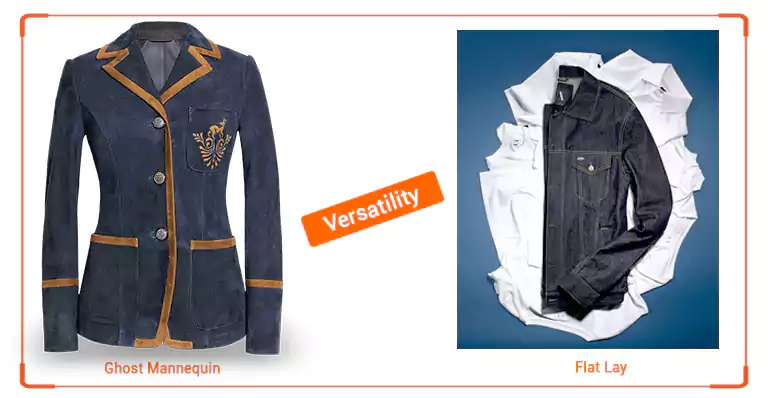
Versatility
Hollow-man photography is less versatile as the primary focus is only on the product. You can’t use it for diverse marketing or creative campaigns.
Conversely, knolling photography is highly versatile. You can utilize creative layouts and different themes to highlight unique stories.
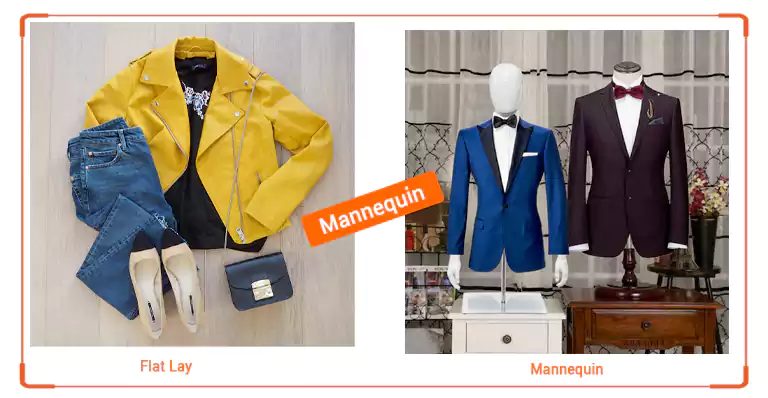
Mannequin
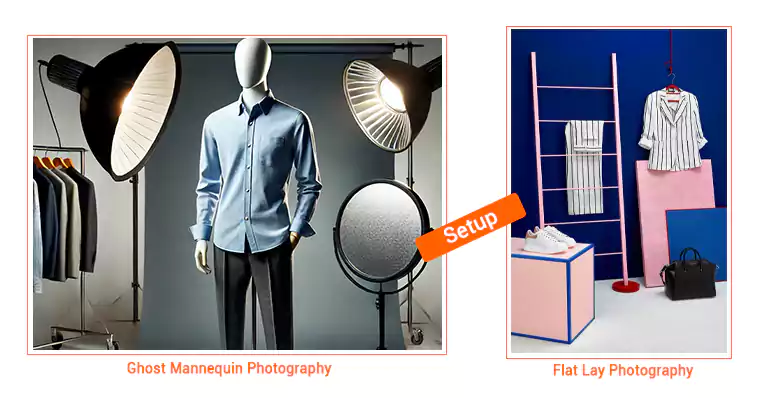
You need a mannequin in ghost mannequin shooting style. Abstract mannequins and dress form mannequins are the two most popular choices. These versatile dummies can add a dramatic, artistic flair.
On the other hand, no mannequin is needed for flat-lay photography. Instead, you need a flat surface. It can be a reading or dining table, a bed, a couch cushion, or a floor.
Props
It is not necessary to use any props in the ghost mannequin style. You focus entirely on the apparel’s fit and structure. The product remains the clear focus point.
Contrarily, people use various creative props for flat-lay. It can be flowers, plants, art supplies, books, etc. These physical elements provide context and highlight the main product more appealingly.
Setup
It is a bit complex to set up an invisible mannequin. You need high-quality mannequins and a professional studio. A mannequin ranges from $200 to $1000. A basic studio setup can cost around $2,000-$3,000.
On the flip side, setting up a flat-lay shooting environment is affordable and easy. You don’t need a dedicated studio space. Some basic equipment can fulfil the purpose.
So, once you move from flat lay to ghost mannequin setups, the complexity increases. You will need to invest in high-quality mannequins and a professional studio space to achieve that 3D floating effect.
Post-production Complexity
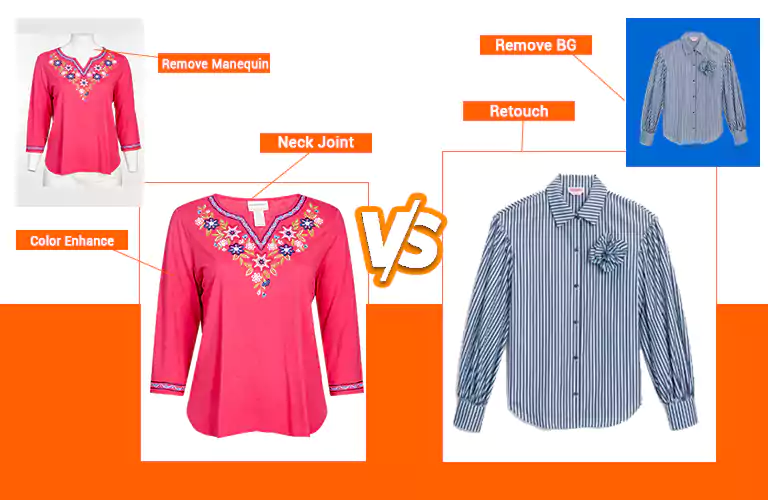
You need advanced Photoshop skills to create a ghost mannequin effect. Achieving a pixel-perfect invisible mannequin look takes a lot of effort and time.
In contrast, flat-lay photographs need basic editing. They already have a simple composition. You just need to quickly retouch and enhance the core elements to create a professional look.
When to Choose Ghost Mannequin Photography?
- Fashion and clothing brands
- E-commerce product pages and catalogs
- Brands with complicated designs
- Most valuable or luxury brands
When to Choose Flat Lay Photography?
- Lifestyle, clothing, and creative brands
- Brands with a diverse range of product lines
- New small businesses or ventures
- Used for social media, lookbooks, catalogs, and blogs
FAQs about Ghost Mannequin Vs Flat Lay Photography
Q: What is the main difference between ghost mannequin and flat lay photography?
A: Ghost mannequin provides a realistic, 3D effect of garments, while flat lay delivers a creative, 2D top-down photo with props for narrative impact.
Q: Which style is better for fashion e-commerce?
A: Ghost mannequin is best for showing fit and professionalism on product pages; flat lay shines for creative branding and lifestyle storytelling.
Q: Is ghost mannequin photography more expensive?
A: Yes. It typically requires more equipment, professional mannequins, studio setup, and skilled post-production editing.
Q: Can I use both styles for my brand?
A: Absolutely! Many brands blend ghost mannequin for product listings and flat lay for social media or marketing content.
Q.When should a brand transition from flat lay to ghost mannequin photography?
You should switch from flat lay to ghost mannequin photography when you need to demonstrate the 3D fit, draping, and structure of apparel. While flat lay is excellent for social media and basic storytelling, the ghost mannequin effect provides the professional, consistent look required for high-end e-commerce catalogs.
Final Words
In 2026, differentiating ghost mannequin vs flat lay photography is a necessity, especially if you are in the apparel industry. You should go for ghost mannequin photography if your main goal is to showcase your clothes in an appealing way online.
On the other hand, do you want to make your products unique with creativity and artistry? The flat-lay shooting style is your best option.
So the bottom line is that since both styles support your products to look more eye-catching, whichever one you use, make sure that it aligns with your brand’s vision.