
When everything is dependent on stiff competition, how to start an ecommerce business without money? And that too in 2026? Seems exaggerated, doesn’t it?
But, it is actually not just doable; it appears more usual.
Provided by free platforms, zero-inventory approaches, and using organic marketing tactics, plenty of entrepreneurs started successful online shops without paying anything first.
This full guide will show you the steps to give your ecommerce business a good start without a penny, you know.
5 Business Models That Cost $0 to Start
The most important thing if you want to open an ecommerce business without funds is picking out the correct type of business. Let’s explore the 5 modern ecommerce models that eliminate all the barriers of traditional retail entirely.
Dropshipping
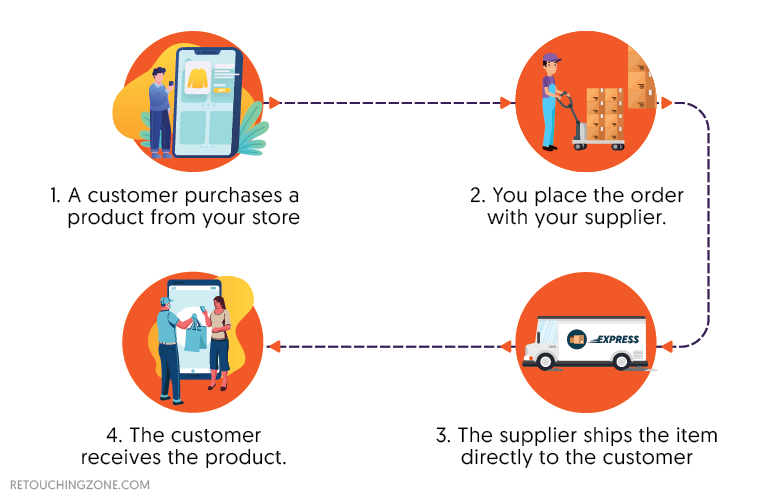
Think of a business process where you can sell items without having to keep anything in stock. When a client puts an order at your shop, the order is sent straight to the main business that is responsible for making, packaging, and sending the product to that client.
This is what we mean by dropshipping. There will be no complications with keeping stock in your own storage; you just use the money after customers request something. Because of this, you are able to concentrate more on how you are connecting with customers and the ways you promote, not on the management of warehouse or shipment issues.
There are some famous dropshipping companies where you can begin, such as AliExpress, Zendrop, EPROLO, and you can join them without a payment. There are no limitations for bringing in or selling items.
Print-on-Demand
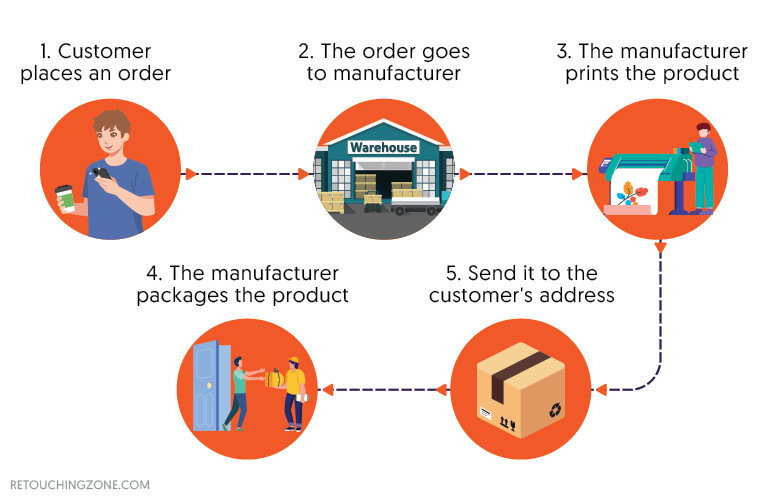
You will make a visual of the product, and then when someone places an order, the manufacturing company will print and pack it and send it to the customer’s address. As you can see, the business model is called print-on-demand for a good reason.
Typically, here, product visuals are created for shirts, mugs, phone covers, posters, and home accessories. As with dropshipping, there is no question of stock or warehousing.
Companies like Printful offer print, package, and delivery services for such entrepreneurs. You can use free online tools like Canva to create product visuals.
Selling Digital Products
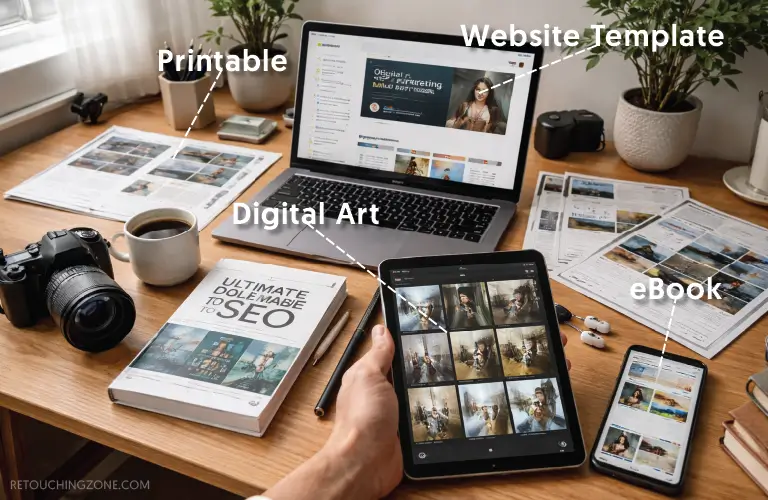
The best way to skyrocket business profits is to sell digital products. Like e-books, any skills training courses, website templates, printables, and custom software presets for photography and digital art.
There is no need for human logistics and delivery for such products. Just make it once, and you can sell it many times. No need to make a new one. But some products have to be updated.
For example, an e-book can be written once, and passive income can be generated from it for life. Software has to come with new updates, along with regular bug fixing.
You can post your digital products for sale by opening a free account on websites like Gumroad, Payhip, and Sellfy.
Affiliate Marketing
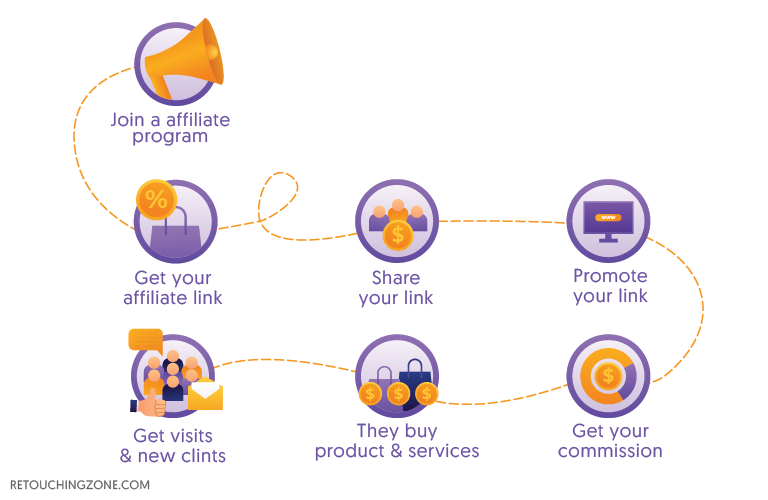
A business process that involves making commission-based earnings by promoting someone else’s products is referred to as affiliate marketing. The key here is the promotion that you can do by creating different types of content, such as blog posts, videos, social media posts, or comparison guides.
You need to include special tracking links that lead to the product’s sales page. When someone views or reads your content and clicks on the link inside only to end up at the product page and buy the product, you will earn a commission. Its range usually extends from 5% to 50%, depending on the product and affiliate program.
Sites that are heaven for affiliate marketing are Amazon Associates, ShareASale, and CJ Affiliate, where you get thousands of products to promote.
Service-Based Ecommerce
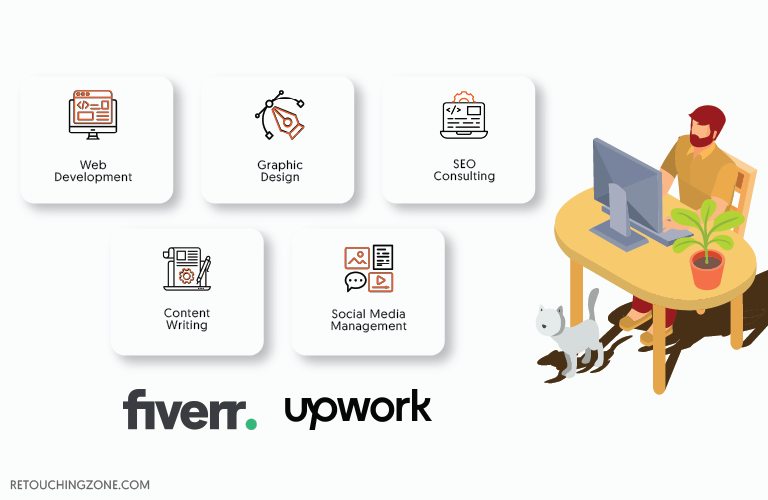
The best way to start a service-based e-commerce business without investment is to sell your skills. But that skill must be marketable. Such as web development, graphic design, SEO consulting, content writing, or social media management skills.
Platforms like Fiverr and Upwork allow such freelancers to offer services worldwide. You can even create your own website and sell services from there.
You can provide SEO audits, content optimization, or link-building services to e-commerce stores worldwide. They are zero-investment, but you have to put your knowledge, talent, and enough time here.
How to Start an Ecommerce Business Without Money: Step-by-Step Guide
Step 1: Think Properly Before Doing
You must emphasize the word ‘properly’ here. If you make a mistake at the beginning, then all further steps will be in vain.
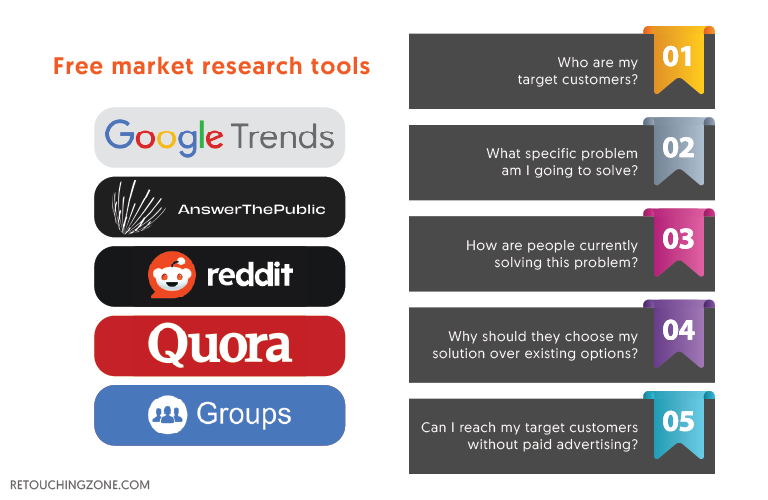
This research is now quite easy; all credits go to free market research tools. Like Google Trends, Answer the Public, Reddit, and Quora. You should also explore Facebook groups related to your type of product or service.
AI-powered verification tools have now added an incredible dimension to this research. For example, IdeaProof and Startup Idea Validator provide comprehensive data in less than two minutes.
Before reaching a final decision, clearly answer these questions:
- Who are my target customers?
- What specific problem am I going to solve?
- How are people currently solving this problem?
- Why should they choose my solution over existing options?
- Can I reach my target customers without paid advertising?
Step 2: Choose a Profitable Niche in Which You Can Give Your Best
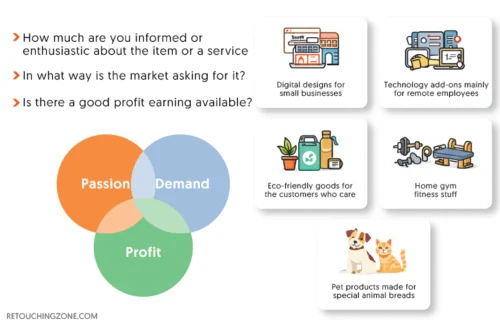
Niche-type shops concentrating on special groups of buyers instead of typical stores are more remarkable than major sellers such as Amazon. To figure out which niche matches, you know, it is suggested to check where these three things meet
- How much are you informed or enthusiastic about the item or a service?
- In what way is the market asking for it?
- Is there a good profit earning available?
Several niche examples for thinking clearly are:
- Digital designs for small businesses
- Technology add-ons mainly for remote employees
- Eco-friendly goods for the customers who care
- Home gym fitness stuff
- Pet products made for special animal breeds
Some tips:
- Try not to go for extremely crowded and extra competitive fields such as electronics, fashion, or gadgets.
- Find micro and underserved niches. It would be a plus if it could be the one you can give an attempt to be an expert in.
Step 3: Source Products at Zero Cost
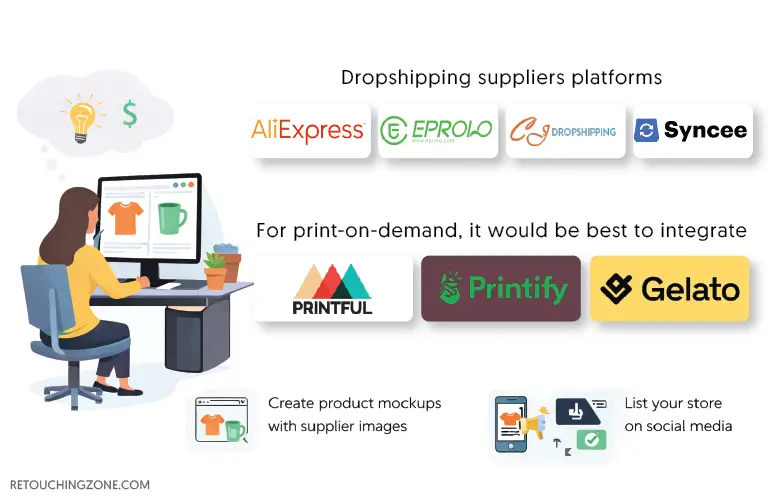
You can connect with free dropshipping suppliers through any of the following platforms.
- AliExpress
- EPROLO
- CJdropshipping
- Syncee
For print-on-demand, it would be best to integrate Printful, Printify, or Gelato.
Open your account under the store, browse their product collection, upload your design, and put your best retail price on the product.
Before going to the sale, do these things:
- Create product mockups with supplier images
- List your store on social media
- Order in advance and pay accordingly
Step 4: Build Your Store on the Free Platform
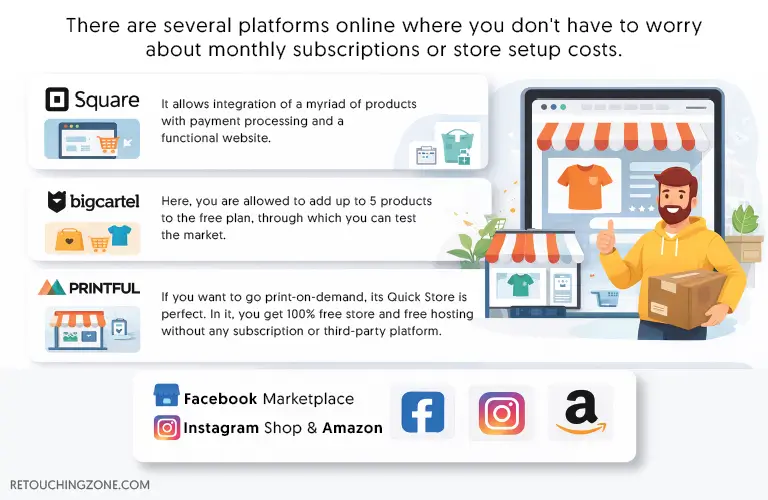
There are several platforms online where you don’t have to worry about monthly subscriptions or store setup costs.
Square Online: It allows integration of a myriad of products with payment processing and a functional website.
Big Cartel: Here, you are allowed to add up to 5 products to the free plan, through which you can test the market.
Printful: If you want to go print-on-demand, its Quick Store is perfect. In it, you get 100% free store and free hosting without any subscription or third-party platform.
When it comes to targeting marketplaces, prioritize free product listings on Facebook Marketplace, Instagram Shop, and Amazon (free seller accounts).
Step 5: Utilize Free Tools for Your Product and Store Design
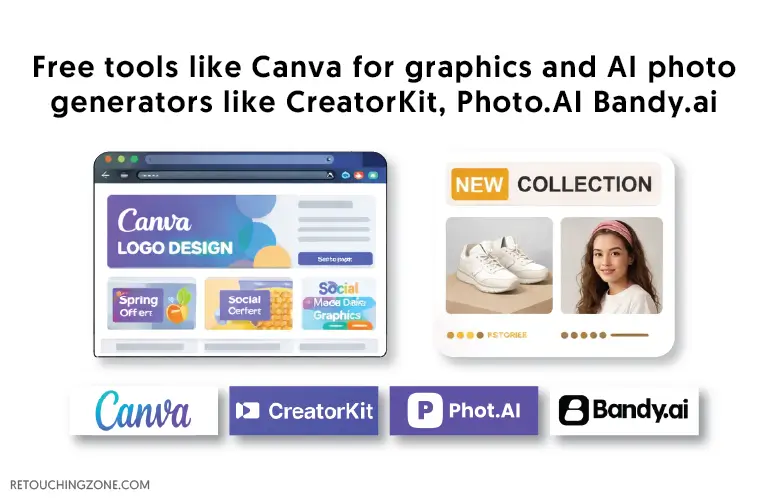
These days, free tools are quite capable of providing professional designs. You can only rely on Canva for all your marketing materials, like product design, logos, and social media graphics. However, it is essential to focus on easy text clarity when selecting text fonts.
AI product photo generators like CreatorKit, Phot.AI, and Bandy AI can offer professional e-commerce photography in their free plans.
Besides, your respective platform also provides some free templates. With these, you can jump-start the store initially. Keep in mind that the focus should be on high-quality images, clear product descriptions, and simple navigation.
Step 6: Properly Apply Free Marketing Strategies
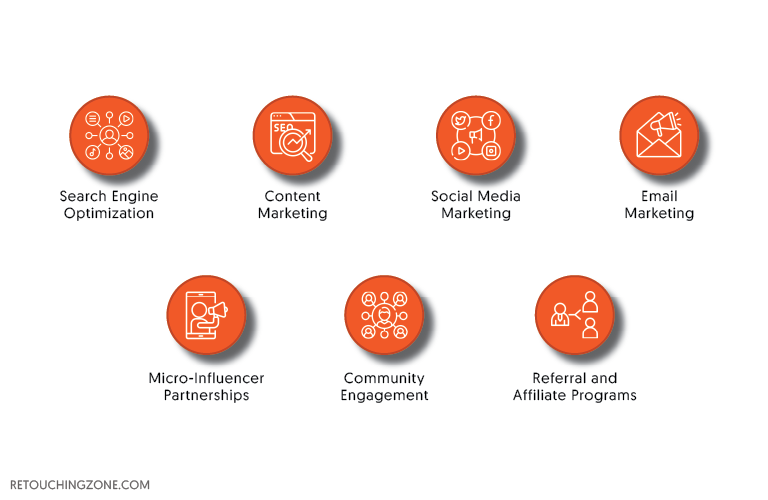
Organic marketing, most of which can be done for free, is a fertile way to boost business. But it takes considerable time and consistency to achieve consistency.
Search Engine Optimization
As of 2026, Search Engine Optimization (SEO) remains the most effective strategy for organic traffic. Relevant keywords should be added naturally to your product page title, description, and meta description.
Resort to blog content, guest posting, partnerships, and directory submissions to bring backlinks to the page. Focus on keywords that have low competition but high search intent and long tail.
Content marketing
Content marketing not only attracts organic traffic but also establishes authority. Your blog content must cover topics that your target audience searches for. Content with high CTR (click-through-rate) includes how-to guides, troubleshooting, product vs product, and buying guides.
Social Media Marketing
Social media marketing is the best way to reach potential customers. Picking 1-2 platforms and spending time with your target audience on them is enough to build a healthy community. Among the attractive platforms of 2026, you can choose any of TikTok, Instagram, Facebook, or YouTube.
Share behind-the-scenes content, educational posts, customer testimonials, and entertaining content related to your niche without repeating promotional product displays over and over again.
Email Marketing
Among digital marketing strategies, email marketing has the highest conversion rate (4.3%), which is 25% higher than search and more than twice that of social media. The first thing to do with this strategy is to collect email addresses that provide value in exchange.
Such as early access to new products, free guides, discount codes, or exclusive content. Free email marketing tools like Mailchimp or SendInBlue have been facilitating this for a long time.
Micro-Influencer Partnerships
Micro-influencer partnerships are second to none in growing followers fast for absolutely free. Work with smaller influencers, having followers ranging from 5,000 to 20,000, rather than the big fish. They often have highly engaged audiences who welcome free samples or affiliate products promoted by the star.
Community Engagement
The stronger your community engagement, the more traffic will trust your product. Answer questions on Quora, Reddit, and forums related to your niche, comment on others’ answers, and even ask questions yourself. Mention your products very carefully only in relevant areas, without going into bare advertising.
Referral and Affiliate Programs
If you want to turn your customers into salespeople, you’ll definitely want to look into referral and affiliate programs. For example, in the Shopify-based app UpPromote, customers earn a commission by sharing your products with their friends.
This activity supports word-of-mouth recommendations, which have a much higher conversion rate.
Step 7: Automate Customer Service
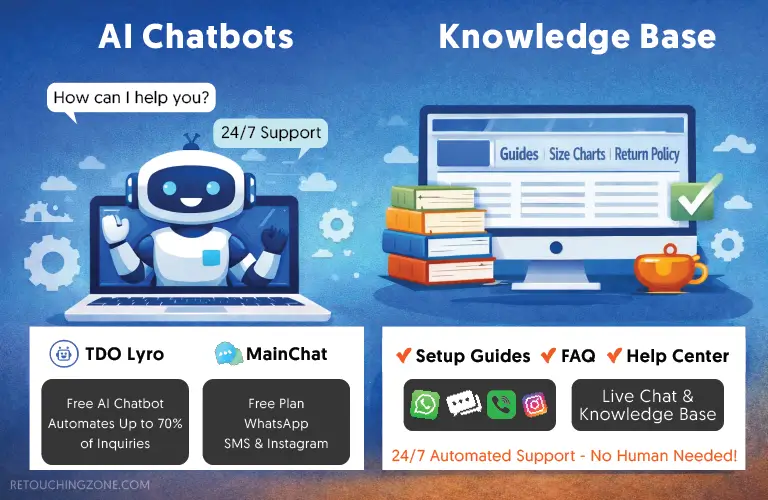
Customer service matters much in making trustworthy connections and repeat customers. There is a rising tendency to automate customer service where people do not interact.
AI Chatbots: These bots, which can talk and handle basic questions and answer, talk all day and night, with no human needed.TDO Lyro, which is a free AI chatbot, is capable of automating up to 70 percent of normal inquiries under its free plan.
ManiChat is also available; its free plan lets you work with WhatsApp, SMS Messenger, and Instagram.
Knowledge Base: Another great automation for customers to find answers on their own is creating a knowledge base. Setup guides, FAQ pages, sizing charts, and return policies are all under this on the website. ProProfs Chat allows users to use live chat and chatbots in addition to such a knowledge base for free.
Step 8: Go Live Fast and Start Market Testing
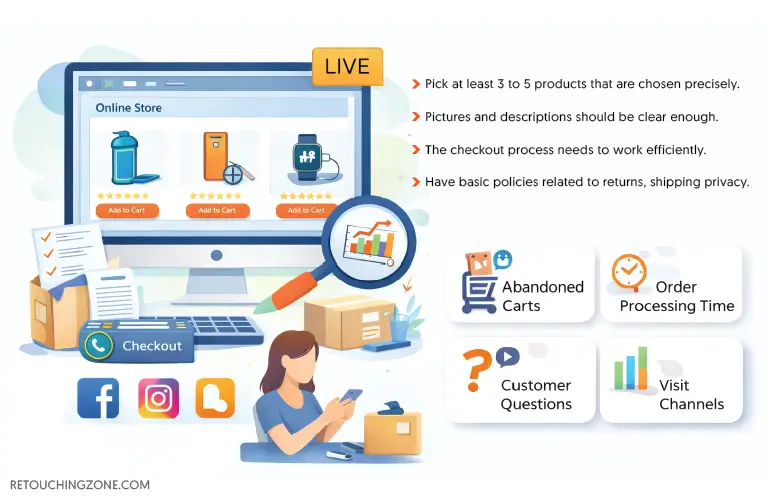
Once all essential requirements are fulfilled, start your store:
- Pick at least 3 to 5 products that are chosen precisely.
- Pictures and descriptions should be clear enough.
- The checkout process needs to work efficiently.
- Have basic policies related to returns, shipping privacy.
Check the customers’ new approach in total, briefly, before moving forward. Become a buyer on your own balance and test ordering and payment parts. After you are live, turn on marketing platforms to gain initial visitors and notice what the outcomes look like.
- Carefully keep attention on these things in particular:
- The channels which make certain products get more visits.
- Questions customers ask about products
- The parts where people leave their carts.
- The Time customers spend from the order until they pay.
Then move forward based on the results you get. In short, focus on the parameters that are working well. And try with new parameters, eliminating the ones that aren’t working.
How to Scale From Zero: Road to First Profit
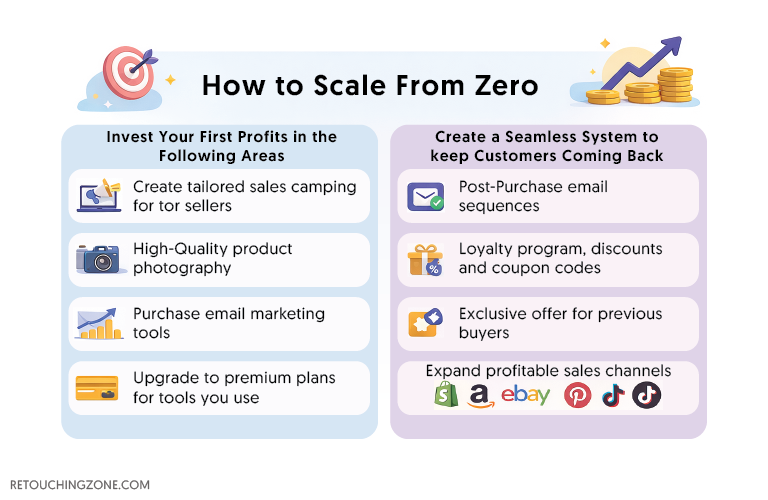
You will understand how to proceed within the first few sales. Here are some strategies you can adopt while going through this journey.
Invest your first profits in the following areas:
- Understand where your top sellers are and create a tailored sales campaign
- High-quality product photography to ensure they are accurate
- Purchase email marketing tools to build a customer community base
- Grow your best-performing channel (minimum $5-$10 per day)
- Move to premium plans for free tools you already use
Create a seamless system to keep customers coming back for more purchases because they don’t hesitate to spend more. Steps you can take for this are-
- Post-purchase email sequences
- Loyalty programs (discounts or coupon codes for returning customers)
- Exclusive offers for previous buyers
Expand sales channels to those that are profitable. For example, if your Shopify store is successful, move on to other ecommerce stores like Amazon or eBay. If Instagram is recording sales, lean towards Pinterest or TikTok.
How to Deal with the Common Challenges: Top 5 Pics
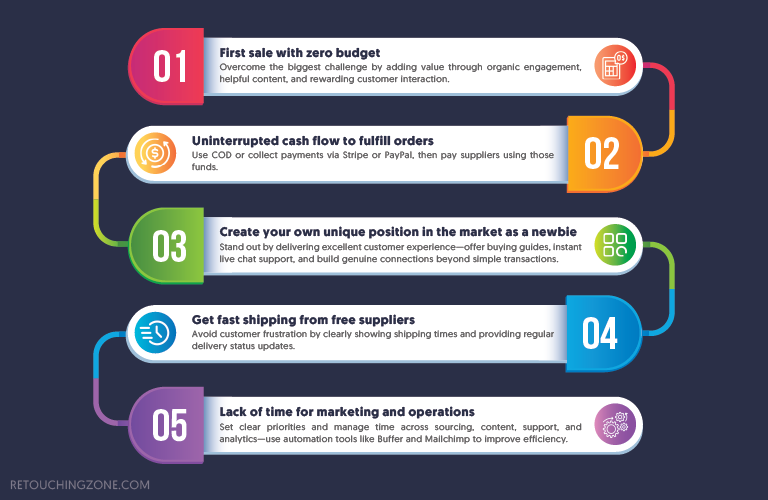
First sale with zero budget
This is the first and biggest hurdle that you can overcome by adding real value to organic channels. Engage regularly by joining Facebook groups – ask questions, answer questions, participate in discussions in the comments.
Create YouTube videos on product troubleshooting topics. Plus, reward reviews and social shares – like giving exclusive deals to the first 10 customers.
Uninterrupted cash flow to fulfill orders
A good solution to this problem is to use the cash-on-delivery (COD) option. Alternatively, take payments from customers through Stripe or PayPal. Pay suppliers with those funds.
Create your own unique position in the market as a newbie
Set yourself apart through a great customer experience rather than competing on price. Provide product buying guides, have live chat available immediately, and add value around the product. In short, build a genuine connection with your audience beyond just a simple customer relationship.
Get fast shipping from free suppliers
This is a very frustrating experience, so be careful beforehand. The best way to avoid it is to clearly display the estimated shipping time on the product pages (increase it a little if necessary). Send updates to customers on exactly what stage the product is in the delivery process.
Lack of time for marketing and operations
Set priorities to get things done within a specific timeframe. Manage your time wisely for product sourcing, content creation, customer service, and analytics. This can include a handful of automation tools, for instance, social media scheduling like Buffer, and email automation like MailChimp.
Zero-Capital Ecommerce Trends in 2026: AI and Social Media
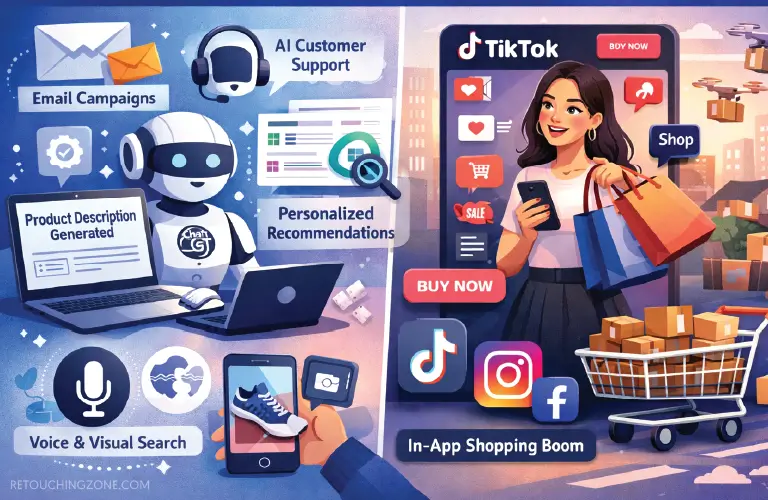
Now, all e-commerce processes are streamlined thanks to AI-powered automation tools. They are now reliable means of order processing, content creation, customer support, and personalization. Most importantly, these benefits are available in the free tier.
For example, ChatGPT has become an unbeaten tool for product descriptions, email campaigns, and customer service responses.
In addition, personalization of AI tools is enabling small stores to reach an Amazon-level. Even free tools include the ability to analyze customer behavior and suggest relevant products.
People now search for products online by voice and image. And this is where the need for voice and visual search optimization comes in.
On the other hand, short video-based social media platforms are joining AI. Instagram, TikTok, and Facebook are now making shopping possible without a separate website. TikTok Shop, in particular, is bringing attractive incentives to new sellers in most markets.
Jump Start with This 4-Week Action Plan
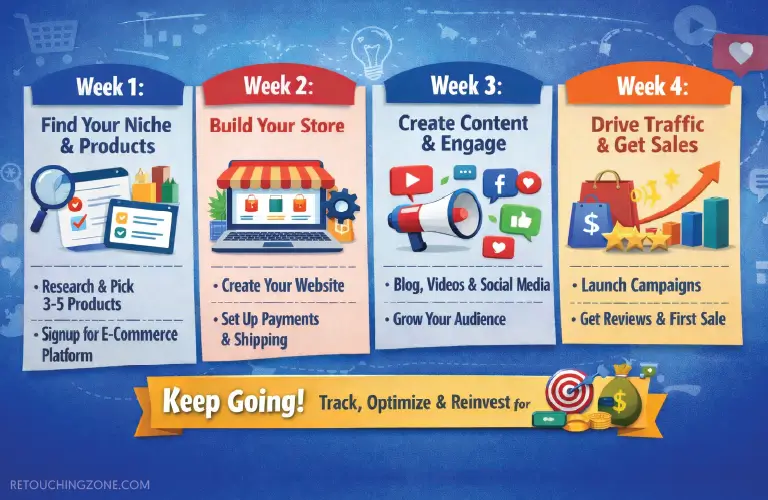
Want to get started right now? Here’s your immediate jumpstart action plan:
Week 1: Decide what your business model will be, along with your niche. Research with free research tools and find 3-5 products to sell. This stage will end with you signing up for a free e-commerce platform.
Week 2: Come up with a unique name, create your store, beautifully display your products with clear descriptions and quality images. Set up payment methods and shipping policies, and finally, give the entire checkout process a proper check.
Week 3: Choose 2-3 marketing channels and start creating content. This will be where your blog posts and videos will be. Also, lay the foundation for your exposure on relevant social media groups and pages, and keep engaging; leave the thought of selling for now.
Week 4: Now it’s time to drive traffic from your marketing channels. Get reviews from your audience, start data-driven development, and hopefully, this stage will lead you to your first sale.
Keep going: Always keep a close eye on what is working well, spotlight the successful channels. Eliminate the ones that are not working, set new parameters in their place, and repeat the inspection. Invest the first profits that come in into product and marketing development.
Frequently Asked Questions on Zero-Cost Ecommerce Business Models
What models can beginners start an e-commerce business with zero investment?
Beginner-friendly e-commerce business models include dropshipping, affiliate marketing, print-on-demand (POD), digital products, and service-based models. These don’t require the hassle of inventory or upfront costs.
How to start an e-commerce business with no money using dropshipping?
First, sign up on free e-commerce sites like AliExpress or EPROLO. Choose Square Online or Printful Quick Store for store creation and product listing, including mockups. Then, take customer orders at this store, and send the order to the supplier. They will handle all the processes, including packaging and delivery.
Which free platforms should I choose to launch an e-commerce store?
The platforms you can use for free to open an e-commerce store for free are Square Online, Big Cartel, Printful Quick Store, and Facebook Marketplace.
What free marketing strategies can I use to get sales without a budget?
In content marketing, focus on long-tail keywords when doing SEO for blog writing. Create video content centered on short video-based social media like TikTok Reels and Instagram. Use Mailchimp for email campaigns and community platforms like Reddit/Quora to drive organic traffic.
How can I manage customer service for an e-commerce business without spending money?
The best way to manage customer service for free is to use free online tools. ManiChat or TDO’s Lyro have AI chatbots that come with 24/7 availability, a FAQ/knowledge base, and order tracking built into their free plans. You don’t need to hire staff, but you do need a human handle if you want to use instant live chat.
Verdict: Can You Really Be Rich Starting from Zero
As you reached this very end, you now know how to start an ecommerce business without money. It is proven, but the thing is that this journey is full of continuous efforts, continuous learning, trial and error. The will to persevere despite facing obstacles is not an easy thing.
AI was not as advanced as it was in 2026, and there were also severe deficiencies in the platforms. Even then, many ecommerce entrepreneurs today are stuck right where they started.
Lack of capital is not an obstacle at all; it is rather an extreme reality that you have to do smartly. The first sale is always impossible until it finally happens. Once it happens, you can repeat it, but it is not the end, because in the same process, you may not get the second sale.
At the end of the day, the question is whether you will take action today or wait for the right time. Know that it never comes. So start today and take your first step. Your determination will be reflected in your work.