
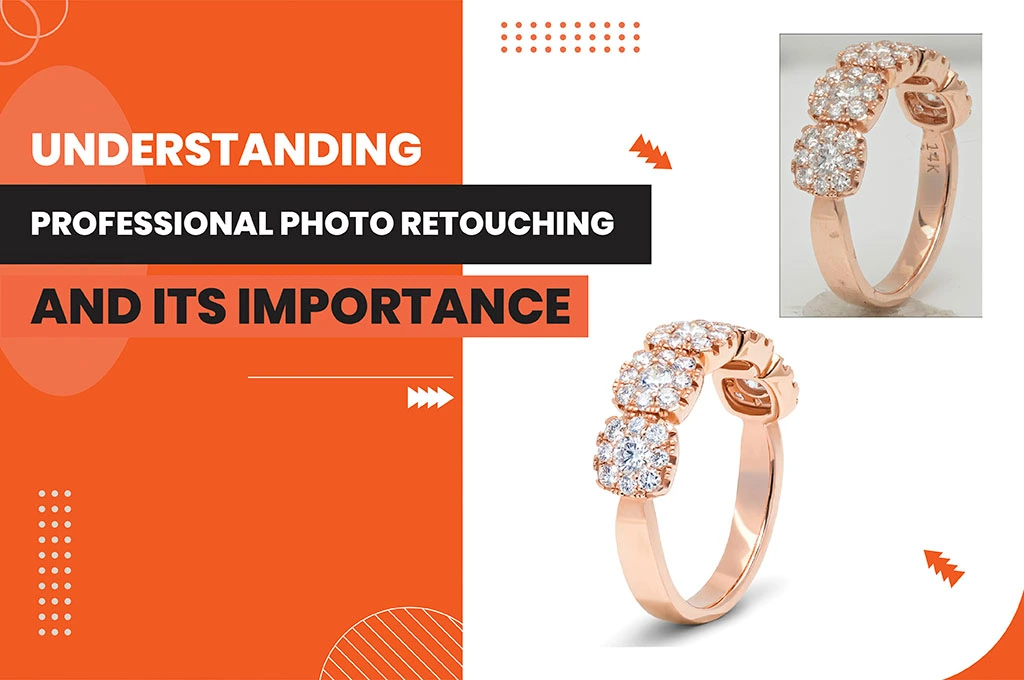
A high level of precision, attention, and expertise. Professional photo retouching needs all of these. Image retouching experts retouch various types of images, such as portraits, fashion and beauty, product photography, landscape and nature, real estate and architecture, event photography, and food photography.
If you are a professional photo retoucher, you know how much technical skills and artistic judgment you need to refine typical images. Let’s understand image retouching in-depth and why it is so crucial for various individuals and industries.
What is Photo Retouching?
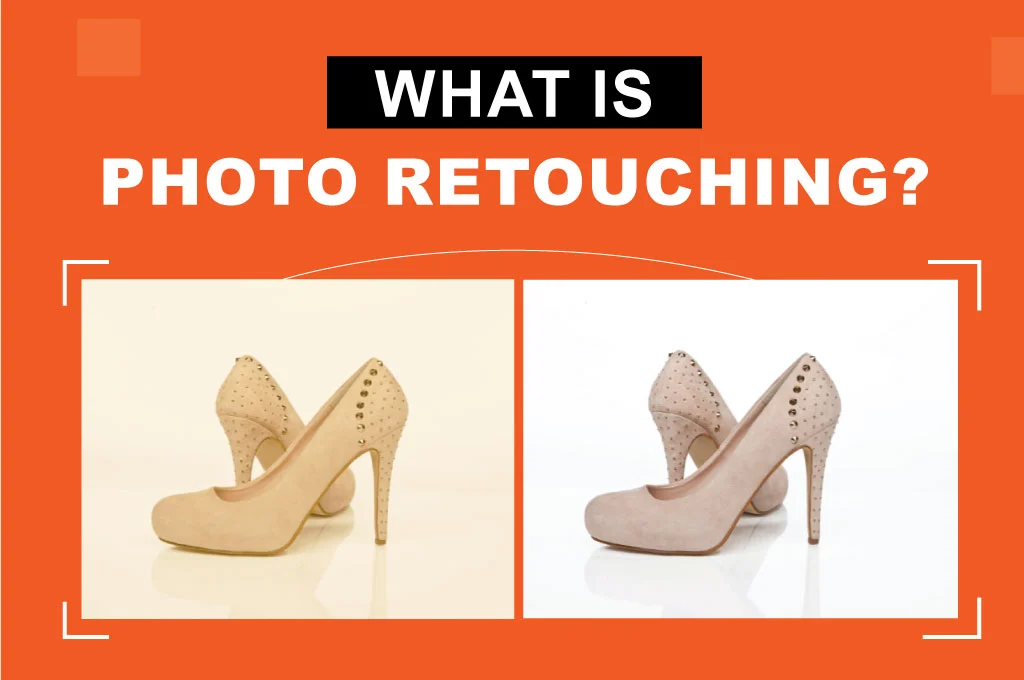
Photo retouching is an in-depth work that changes or manipulates the originally captured picture. The main objective of professional image retouching is to enhance the overall visual appearance of the photo.
Photo retouchers use various manipulation techniques, software, and tools to fix specific imperfections and flaws in images. The final visual should look clean and polished while maintaining a natural appearance.
Different Types of Photo Retouching
01. Product Retouching
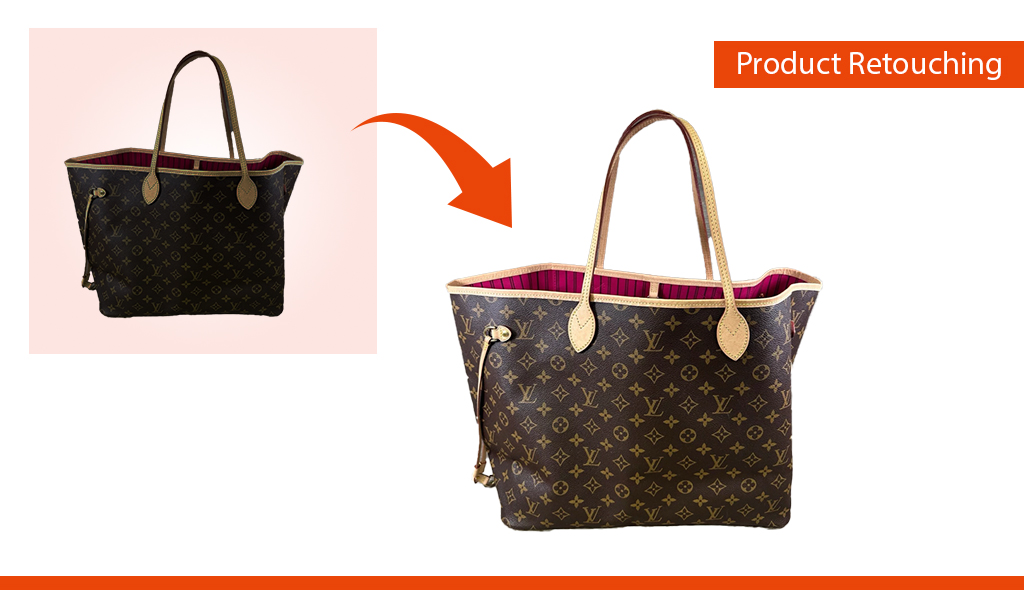
It is one of the most widely used manipulation art. Photo editors use various editing techniques, such as balancing colors, lighting, and composition, adding shadows, adjusting shape, removing imperfections or distracting elements, etc.
Various types of e-commerce products need professional photo retouching services such as clothing, jewelry, furniture, shoes, etc.
02. Beauty Retouching
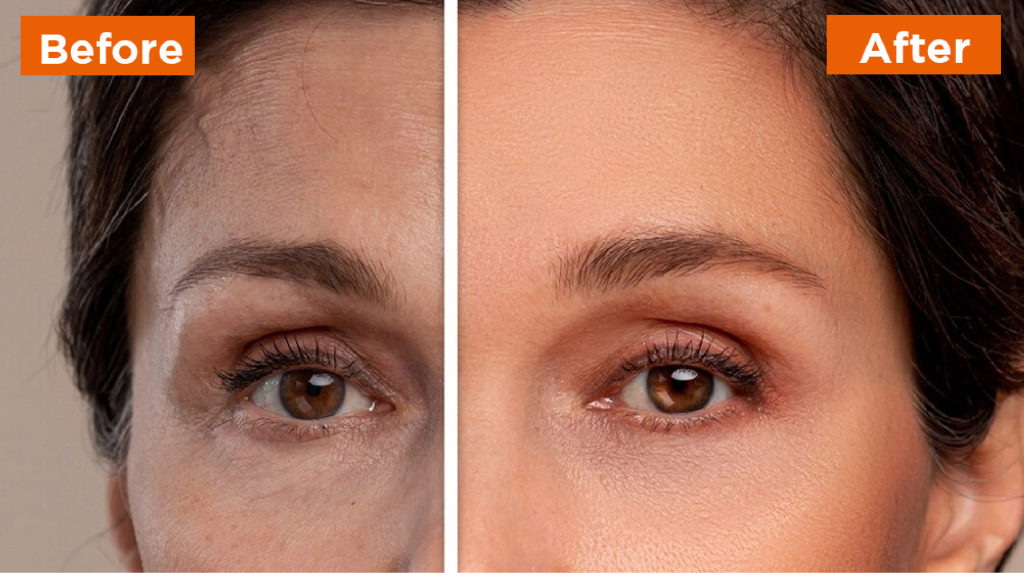
Beauty retouching is a complicated image editing technique. A photo retouching professional must maintain natural skin textures, facial features, and lighting. It should not look artificial or overly edited.
Different types of tasks involved in beauty retouching, such as
- Removing blemishes, wrinkles, and imperfections to achieve a smoother skin
- Whitening teeth to enhance facial features
- Brightening eyes to improve facial expression
- Shaping facial contours to define cheekbones, jawlines, and overall facial structure
- Enhancing skin tones to even out makeup errors
You may also like to read… How to Outsource Product Photo Editing for E-commerce
03. Real Estate Retouching
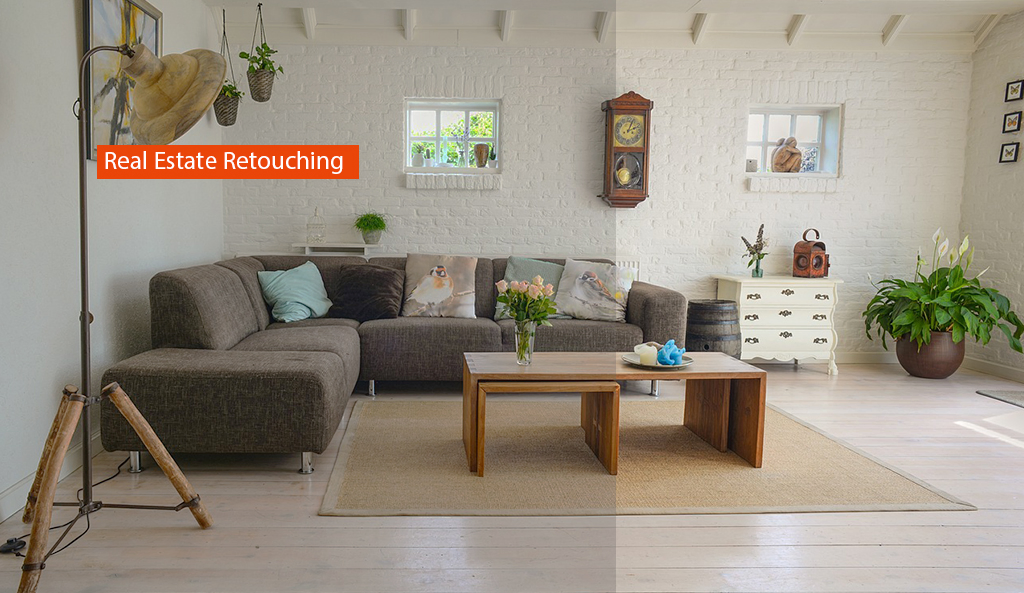
Real estate owners must improve the overall visual appearance of their buildings or apartments. A professional real estate photo retouching service can enhance a property’s primary exterior and interior features.
Retouching a building or housing photo involves-
- Enhancing lighting to create a warm, inviting atmosphere
- Removing unwanted elements, like personal items, unnecessary Clutter, etc.
- Straightening walls or other lines to ensure symmetry
- Adding natural features, such as vibrant skies, green lawns, lush gardens, etc.
- Using virtual staging, like adding furniture and decor
04. Automobile Retouching
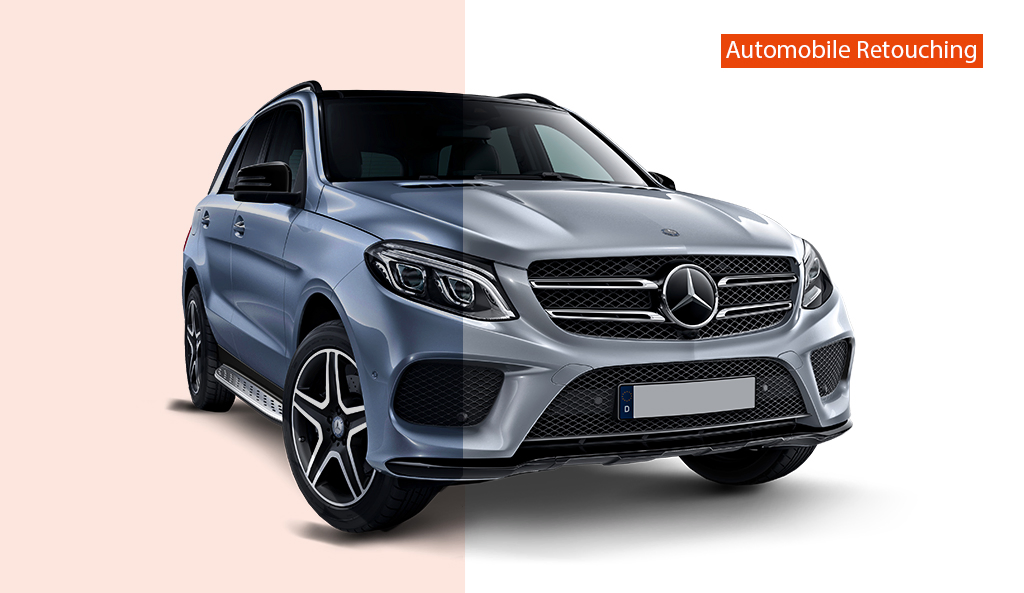
An automobile photo retouching can give your vehicle a showroom-ready appearance. Professional automotive image editors can transform a raw car image into a stunning one.
Retouching an automobile entails-
- Swapping the old background to focus on the vehicle
- Removing all scuff marks, scars, and spots to create a flawless look
- Eliminating unwanted reflections or glare to make the vehicle’s features visible
- Adjusting brightness, contrast, saturation, and sharpness for accurate color representation
- Highlighting the brand’s logo to draw attention to the vehicle’s identity
05. Creative Retouching
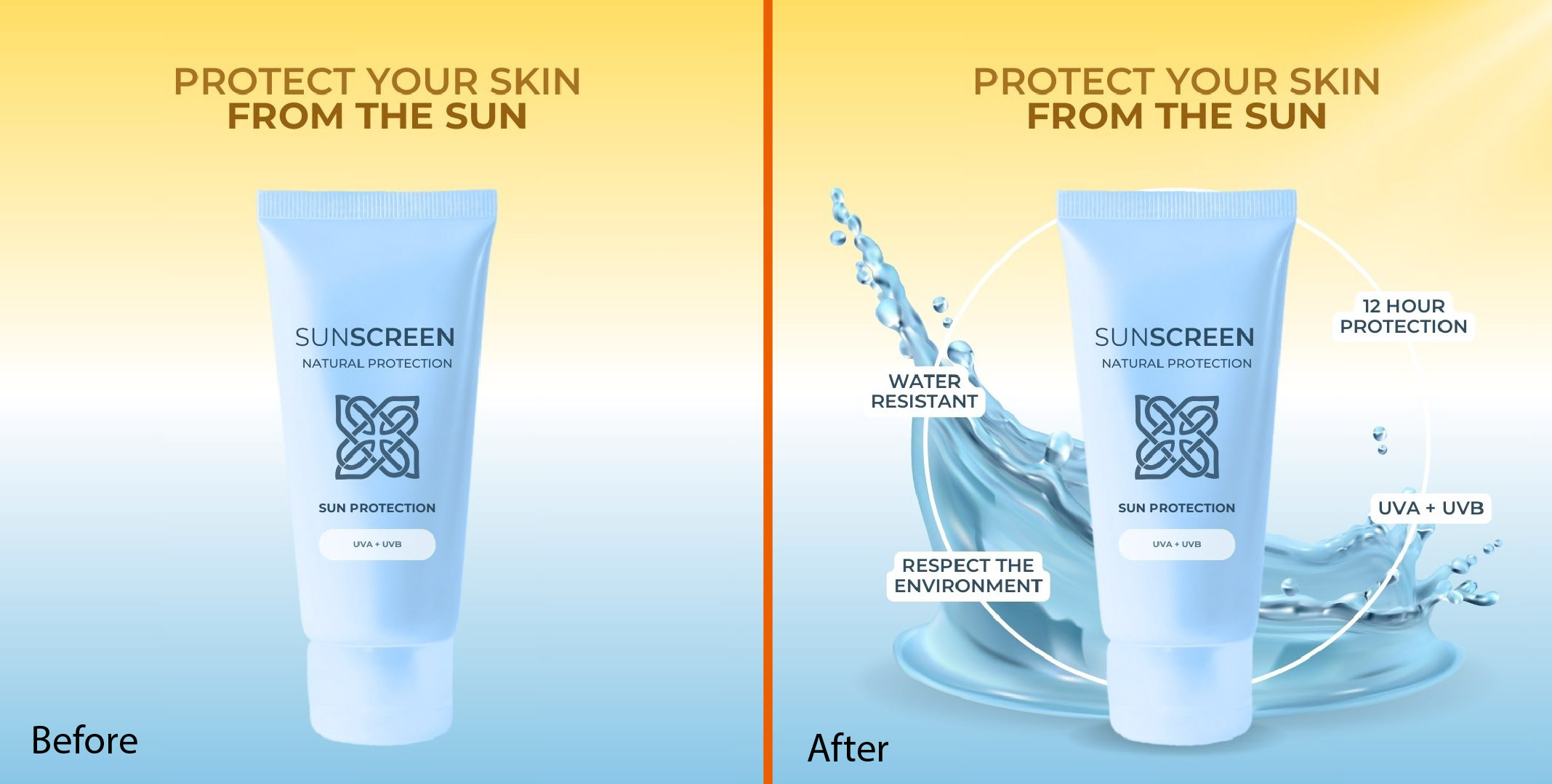
This is an advanced level of photo retouching where an image editor compiles several image objects to produce a single image. The main objective of creative retouching is adding creative touches to the final photo and sending a clear message.
A photo editor must have advanced skills and artistic vision for professional creative photo retouching. He spends several hours or even days adding imaginative and artistic effects to the image. It finally helps him achieve an even better output for a marketing campaign or advertisement.
06. Editorial Retouching

Have you come across those retouched images in magazines? It catches your attention at first glance, right? These special images are not for promotional purposes. Instead, each photo portrays a unique concept to its readers.
However, not all editorial-retouched images convey the same idea or message. They will vary from photo to photo based on the purposes of use.
Why is Photo Retouching Important?
Retouching images is vital to fixing imperfections, improving details, and creating the look you’re going for. You want to maintain professionalism and highlight the main subject in the image.
Improve The Photo Quality
Compared to typical image editing, retouching photos requires a high level of precision to maintain authenticity and create a polished, natural look. A professional retoucher uses different advanced skills and techniques to make the image creative and impactful for specific purposes.
Erase Imperfections
Regardless of how perfect your shots are, some corrections are necessary to suit specific purposes. Removing flaws makes the image pixel-perfect. Your viewers will focus on where you want them to pay attention to.
Highlight Brand’s Credibility
If you are an e-commerce brand, customers will judge your brand through your product images. Understanding the importance of retouching for product photography is key here; upload well-polished and high-quality photos to maintain a level of professionalism. Hence, customers feel significantly more confident buying your products.
Increase Customers’ Engagement
Professionally retouched images possess a certain vibrancy and liveliness. They can create a deeper connection with your audience. Hence, the overall customer engagement and conversion rates will increase.
Tell The Right Story
Accurate lighting, colors, and contrasts of an image elicit emotions. It can portray excitement, joy, tranquility, or joy. You have to present your image the right way to tell the exact story. A well-retouched photo can express more than hundreds of words.
Common Useful Tools for Professional Photo Retouching
Retouching photos is an exquisite task. The following are the commonly used useful retouched tools.
- Healing Brush Tool: Helps to remove or clean out distracting elements, like scratches, wrinkles, dust spots, etc. in a photo
- Red Eye: Eliminates the red eye appearance from images to make the subject look more natural
- Patch Tool: Repairs large areas or erases unnecessary elements from images, like blemishes, objects, or people
- Content-Aware Tool: Adds missing parts of an object and improves photos’ composition.
- Clone Tool: Copies exact details from one section of an image onto another section
- Dodge & Burn Tool: Lightens or darkens a particular area of a photo
- Blur & Sharpen Tool: Changes the focus and sharpness of an image to make it more attractive
- Pattern Stamp Tool: Paints texture, designs, or repeating patterns to specific areas of an image
- Liquify Tools: Manipulates or distorts specific photo areas to reshape or transform elements
How to Choose a Professional Photo Retouching Services?
When it comes to choosing a professional photo retouching company, visit their official website and check their portfolio.
Also, reach out to them and ask all important questions related to your work. Utilize their ‘free-trial’ option to get an idea about their photo retouching quality.
Take note of these key points before hiring a photo retouching service provider.
- Experience: Find out how long they have worked in the photo editing industry. Experienced professionals tend to deliver top-notch service.
- Retouching Skills: Evaluate their retouching expertise. It must align with your expectations.
- Previous Works: Check their previous photo retouching projects thoroughly. It helps you get an overview of their past tasks.
- Quality: Give no compromise in photo retouching tasks. Leverage their “free trial” option to gauge their photo retouching quality.
- Pricing: Don’t always go for the lowest pricing option. Good quality doesn’t come cheap. Compare competitors and choose the best photo retouch program.
- Delivery Time: On-time delivery is a must, even for bulk orders or urgent projects. Contact them if they can maintain a strict delivery schedule.
Wrapping UP
Professional photo retouching services are mandatory for almost all businesses; be it is fashion, eCommerce, advertising, real estate, or beauty. When you pick a reliable image editing company, it will be a lot of help for you correctly present your product or service to attract potential customers and boost sales. Hopefully, the above guideline has given you a clear grasp of how image retouching works and why it is so important.