


Did you know that the most common product photography mistakes are hidden in the lighting and background setup? Most of the time, only these areas are enough to raise more tiny mistakes that lead to poor shots later on.
Unfortunately, this is how bad product photography can end up damaging your brand value without you even realizing it. But this photography pre-production is essential for capturing high-quality images that you have to work with in the post-production.
Remember, both photoshoot and photo editing are equally important to produce images that are responsible for customer engagement in ecommerce stores.
This article has neatly compiled the common mistakes photographers make while capturing products that can seriously hurt your sales conversions. You gotta give them a proper check if you want to overcome them and don’t kill your brand growth.
01. Bad Lighting

- Appropriate lighting helps you represent your product correctly online. In addition to the camera and lens, you must consider the quality, placement, diffusion, and intensity of your lighting.
- Poor lighting may create harsh shadows; it’s a most common product photography mistakes. It obscures the true beauty of the online store goods. Customers can’t see the exact color, pattern, and texture of the product.
- Besides ensuring adequate lighting, you want to add additional lighting to extend your picture-taking opportunities. Top or overhead lighting is effective for highlighting the textures and depth of the product. It also adds new perspectives to visuals.
02. Out-of-focus Shots

- Sharp, well-focused product images play a pivotal role in attracting potential customers. In contrast, blurry product photos do the opposite. They lack sharpness and detail.
- Photographers need to have a sense of product photography mistakes and the intent to take perfectly focused visuals. The focal point should highlight key features of the product.
- Use the autofocus systems of your DSLR or mirrorless camera to capture clear, crisp, perfectly sharp-focus product photos. But if you want precise control, manual focus is a better choice.
03. Busy and Distracting Backgrounds
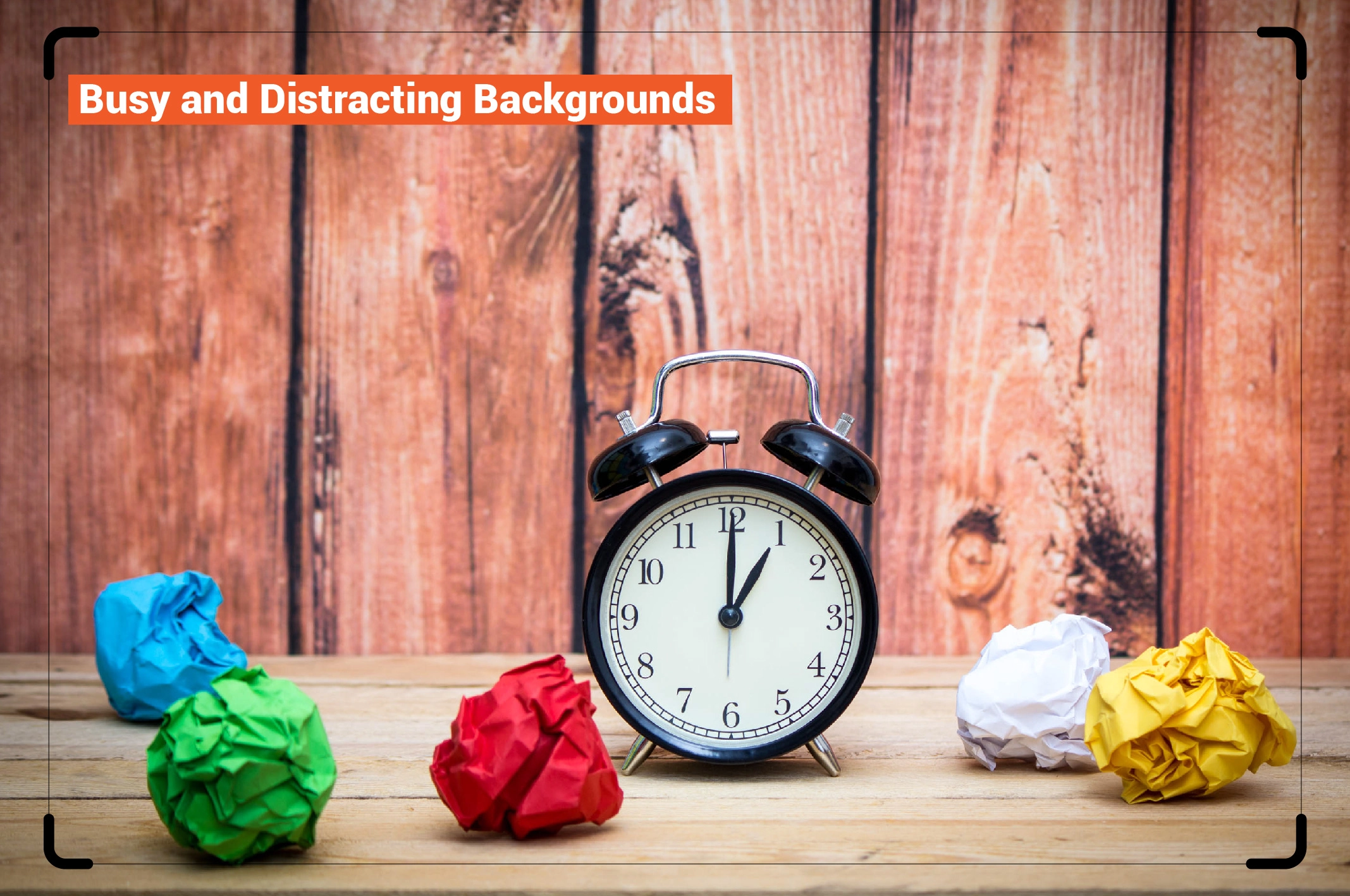
- A cluttered background in product photography can distract customers from the main subject. A messy backdrop diminishes the photo’s impact and makes the visual cheaper.
- Always use a clean background to remove distractions and keep the product fully focused. A plain or simple backdrop can catch customers’ attention at first impression.
- Make sure to clear distracting stuff from the camera frame. The background should not contain any object that does not add any value to the main subject.
- But which color is the best choice for product photography? Pure white is the most widely used backdrop color. But you can also use other options, like transparent, slightly off-white, light grey, etc.
04. Uncomfortable Angles
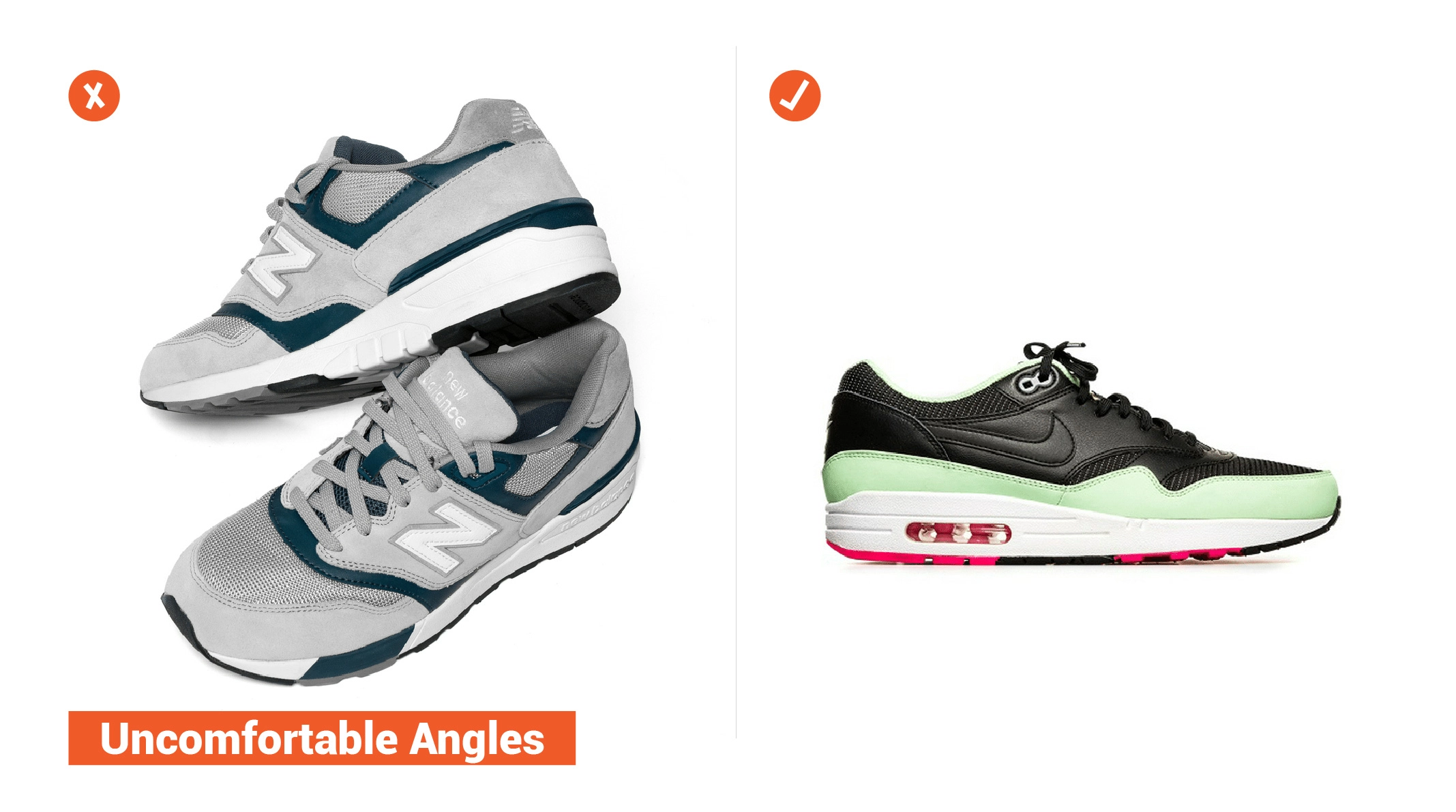
- A right angle in product photography allows photographers to showcase the exact perspective and emphasize or convey a story. In contrast to product photography mistakes, shooting from the wrong angle fails to add depth, drama, and interest to the product image.
- To determine which works best, capture product images from different angles, like front, profile, overhead, low, etc. The key is achieving drama and creativity while exploring various angles.
- Consider the feature or functionality of the product to understand which angle is more appropriate to highlight a specific feature.
05. Inconsistent Branding
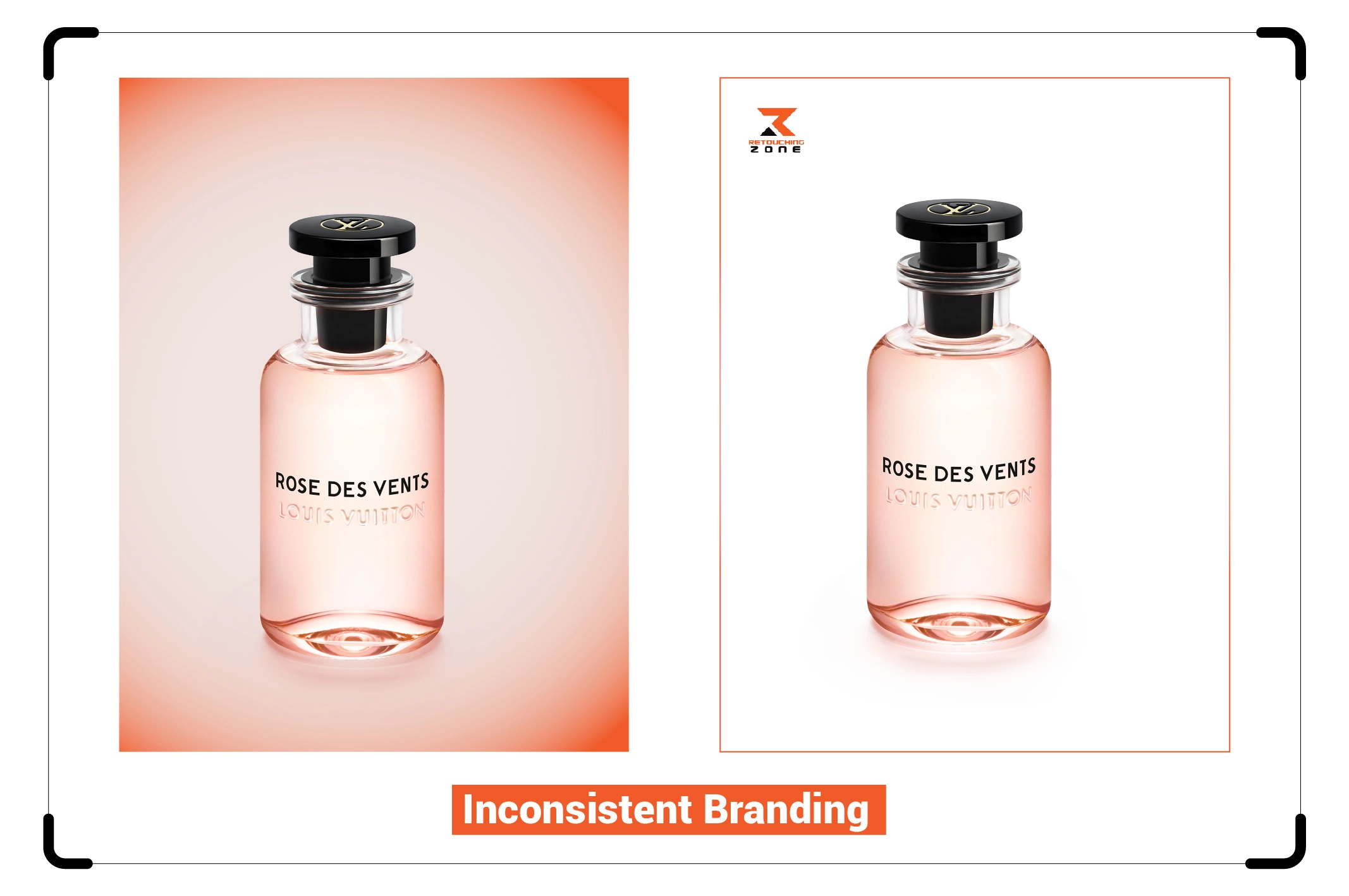
- Your product images should be unique enough to convey to customers that they are solely yours. Hence, it is crucial to maintain consistency across all product photos. Otherwise, customers will feel confused.
- Keep your color palette, typography, composition style, sensory elements, and other attributes consistent. It helps you establish a strong and recognizable brand presence in the market.
06. Not Using a Tripod
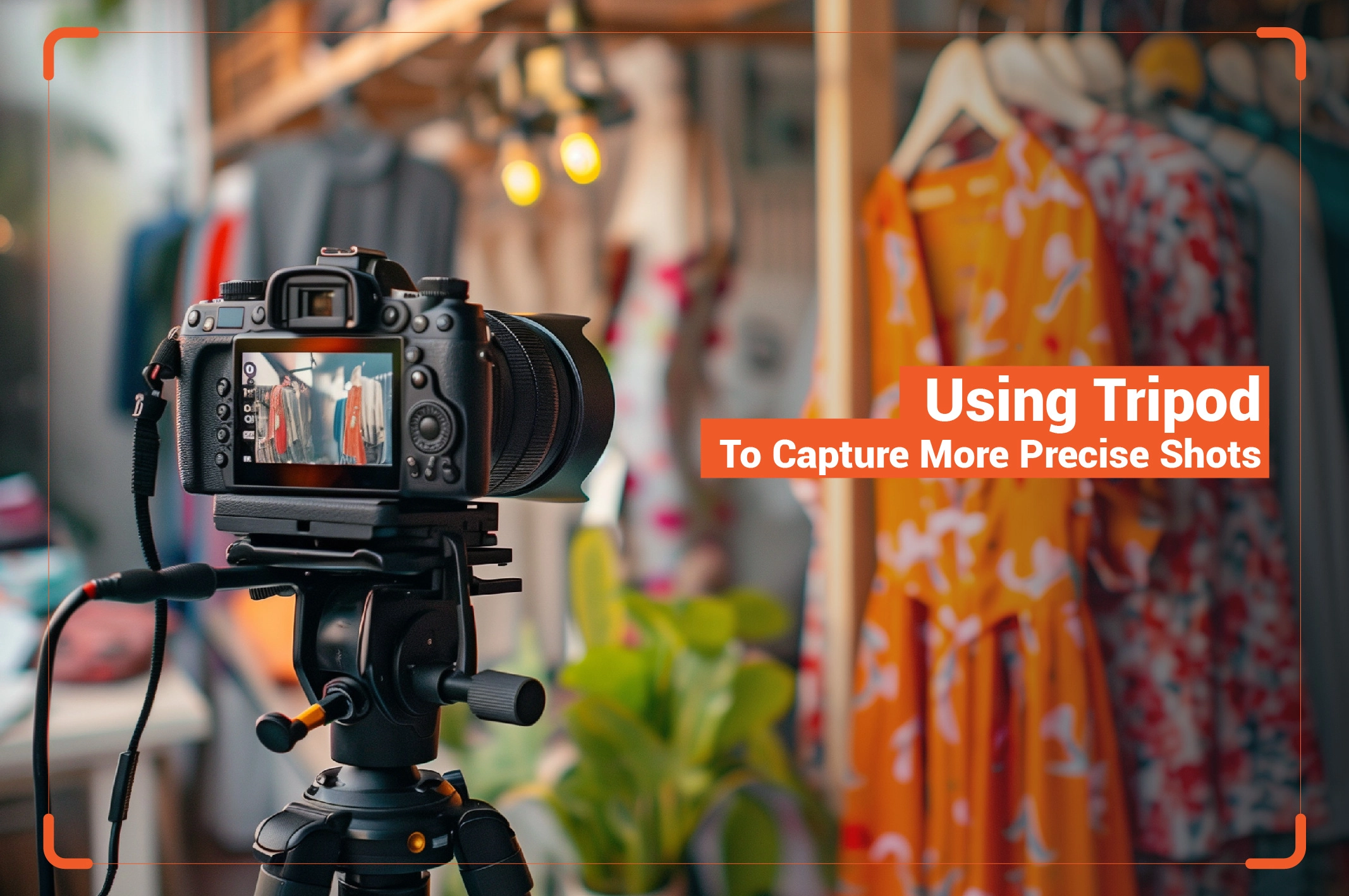
- One of the most common problems of not using a tripod is blurry or shaky photos. Invest in a functional tripod to capture more precise shots with better stability. It can hold your camera securely and steadily.
- Besides improving the images’ technical quality, this three-legged device can help you achieve longer shutter speeds. This is especially helpful for photo shooting in low-light conditions.
- Tripods are also helpful for close-ups and macro shots. Maintaining a consistent frame ratio is easy across all product images with this photographic equipment.
07. Wrong Product Positioning
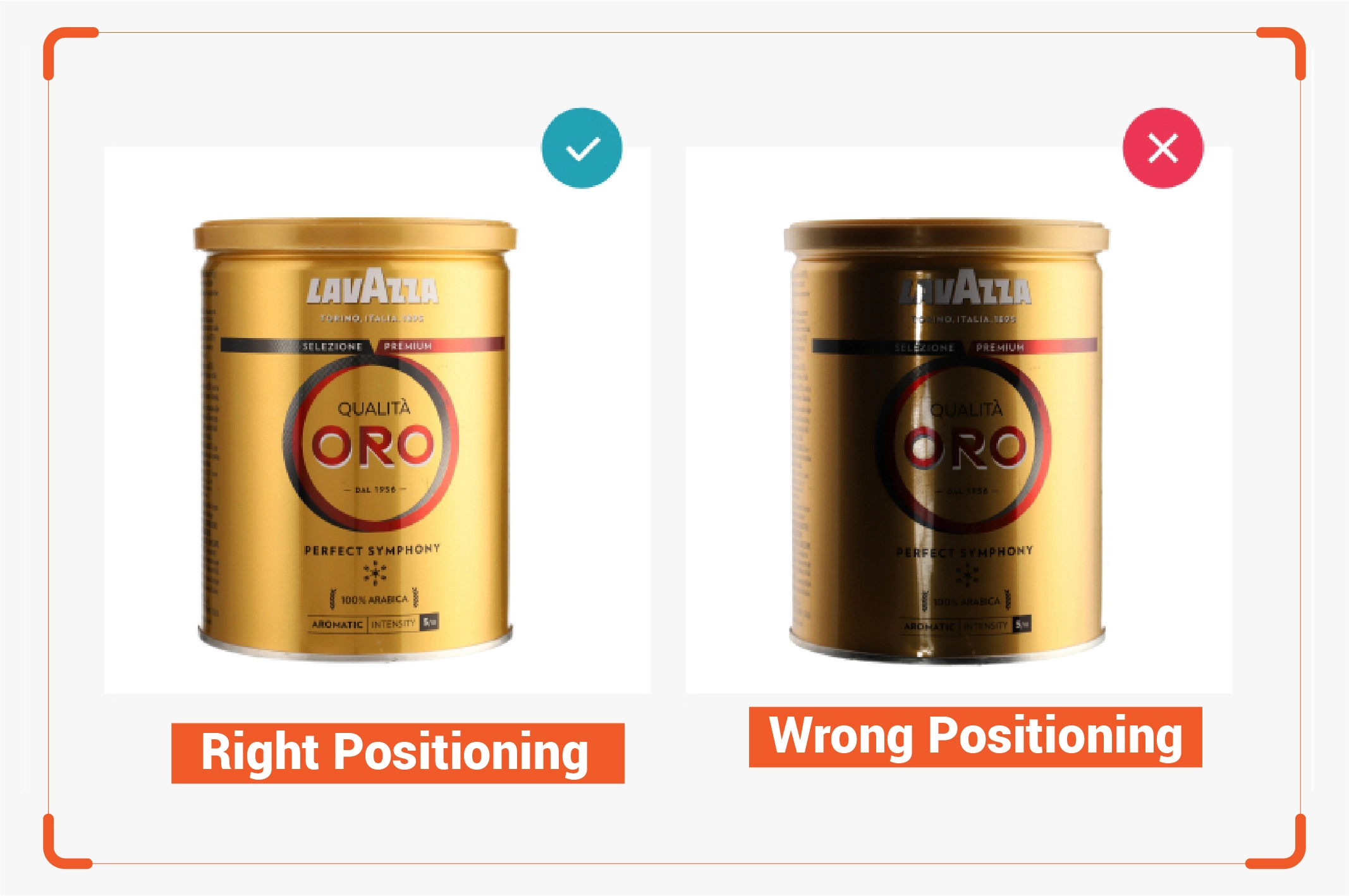
- Being creative in product positioning is good. You might be pushing your boundaries to create unique perspectives. However, it must look realistic and convey the exact message you want to portray.
- Avoid using any odd product positioning technique that creates a weak look. Aim to position your product perfectly in the camera frame so that the key attributes are prominently displayed.
08. Low Quality Images
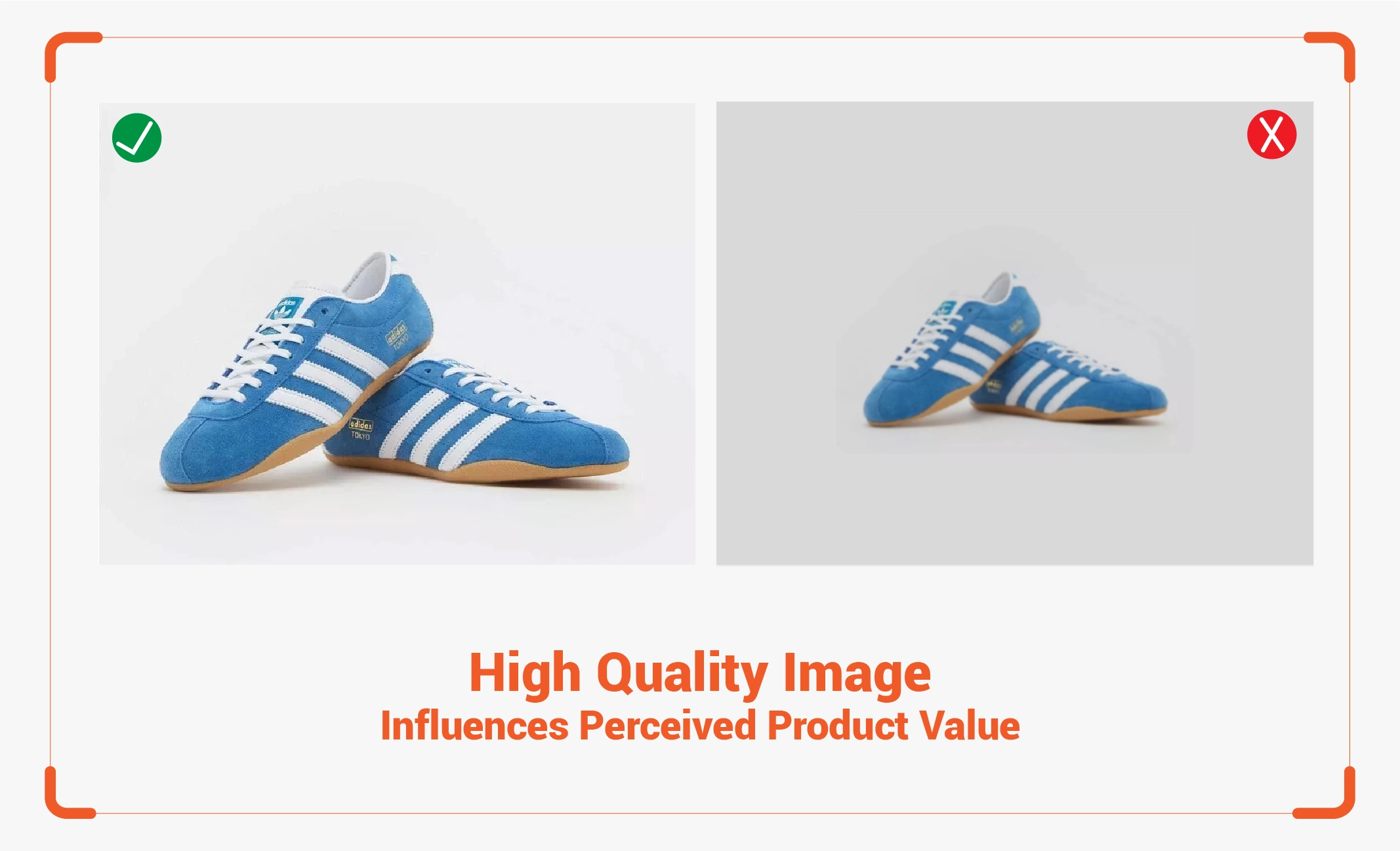
- The very common product photography mistakes are Poor-quality images, which are proof that you are not good at photography. Use the proper photography techniques and necessary equipment to capture high-quality product photos.
- Remember, image quality directly influences perceived product value and customer perception of its worth. Maintained professional standards while capturing product images.
- Keep the product photo resolution at least 1500 x 1500 pixels. Professional quality images can influence customers to trust the brand and improve brand loyalty.
09. Unfaithful Colors

- Making your product images appealing is a good initiative. But you don’t want to cross the boundary line. Color accuracy is paramount to showcase the accurate picture of the product. Keep the hue, contrast, shade, tone, and vibrancy as realistic as possible.
- Customers will see your product images from different devices, like laptops, smartphones, tabs, etc. The screen resolution of these devices varies. Use a standard numerical encoding of colors, known as sRGB color space, to ensure consistent color reproduction across different platforms.
10. Unprepared Product

- No matter how good your photography skills are, poorly presented products are another product photography mistakes that may fail to showcase the exact story you want them to tell. Perfect product preparation is the prerequisite for capturing better-quality images.
- Make sure your product and its background area are appropriately cleaned. If needed, go for a washing session. Don’t forget to use any supportive item to add value and create a richer presentation. However, it must harmonize well with the main product.
11. Wrong Shape of The Product
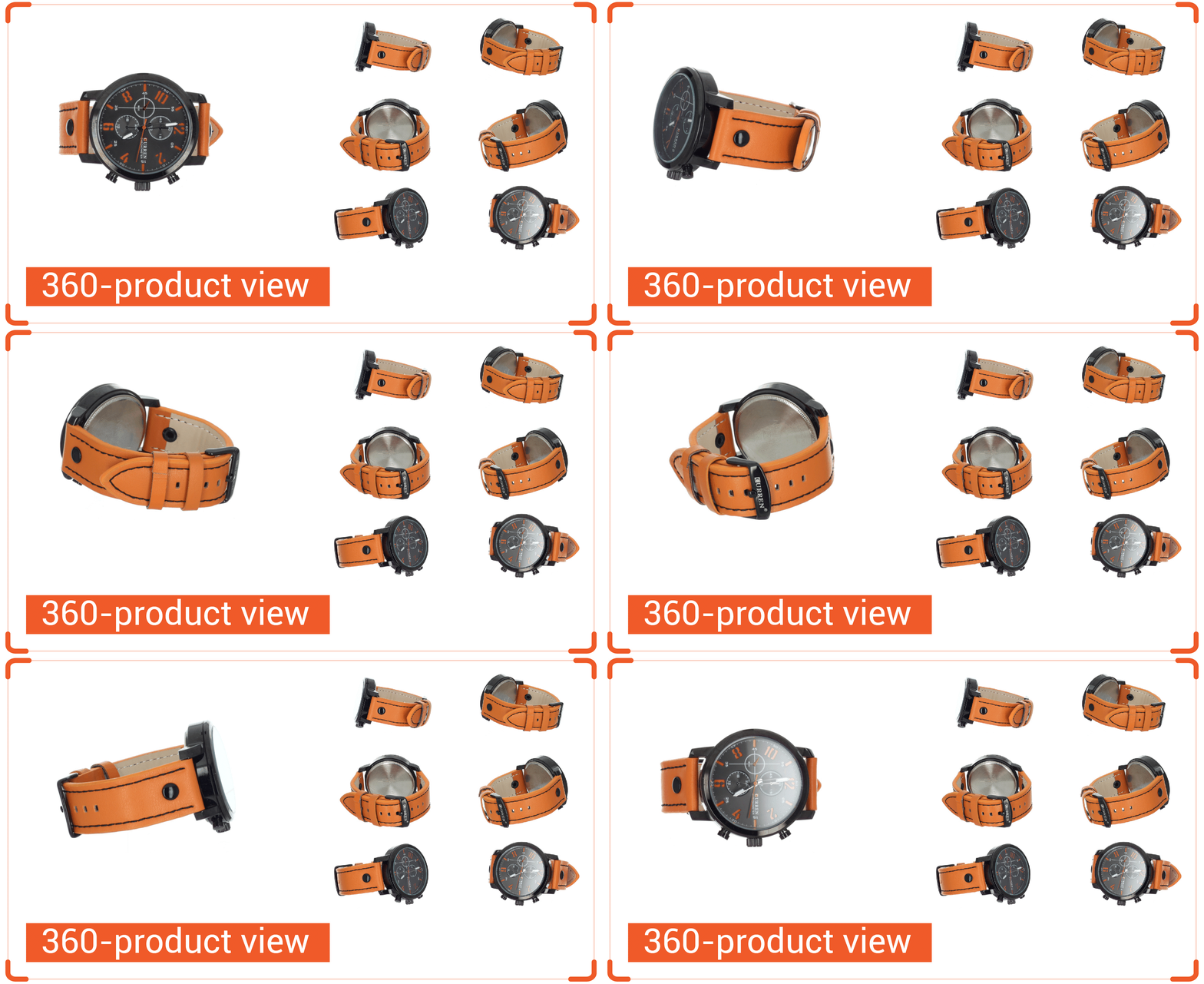
- Showing a product in the wrong shape causes customers to misperceive its look. They misunderstand its functionality. It negatively affects their purchasing decisions.
- One of the best solutions is using the 360-product view technique. Prospect buyers can visualize the actual shape of the product.
- In addition, it provides customers with a realistic sense of how the product looks and feels. Shoppers can evaluate the item by exploring different angles.
12. Too Much Noise
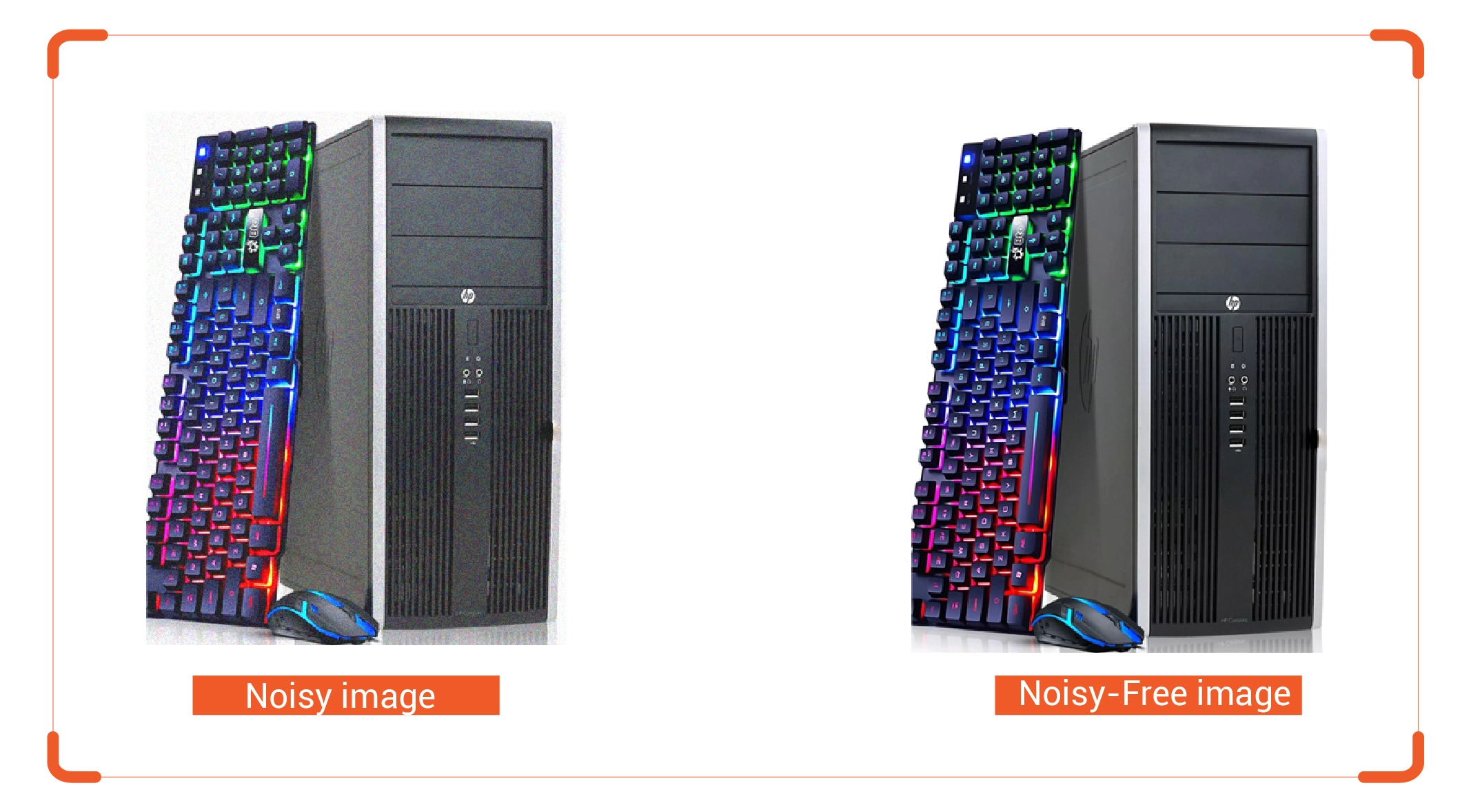
- Product photographers sometimes use higher ISO, especially in dark or low-light conditions. However, excessive ISO makes the images grainy or noisy. Plus, the color in the photo looks less accurate. The overall image quality also degrades.
- Keep the ISO level as low as possible. The best solution is to create good lighting conditions. You can utilize both natural sunlight and artificial lighting. Experts recommend using strobes or LED lights for artificial lighting to get the best result.
13. Using the Wrong Lens
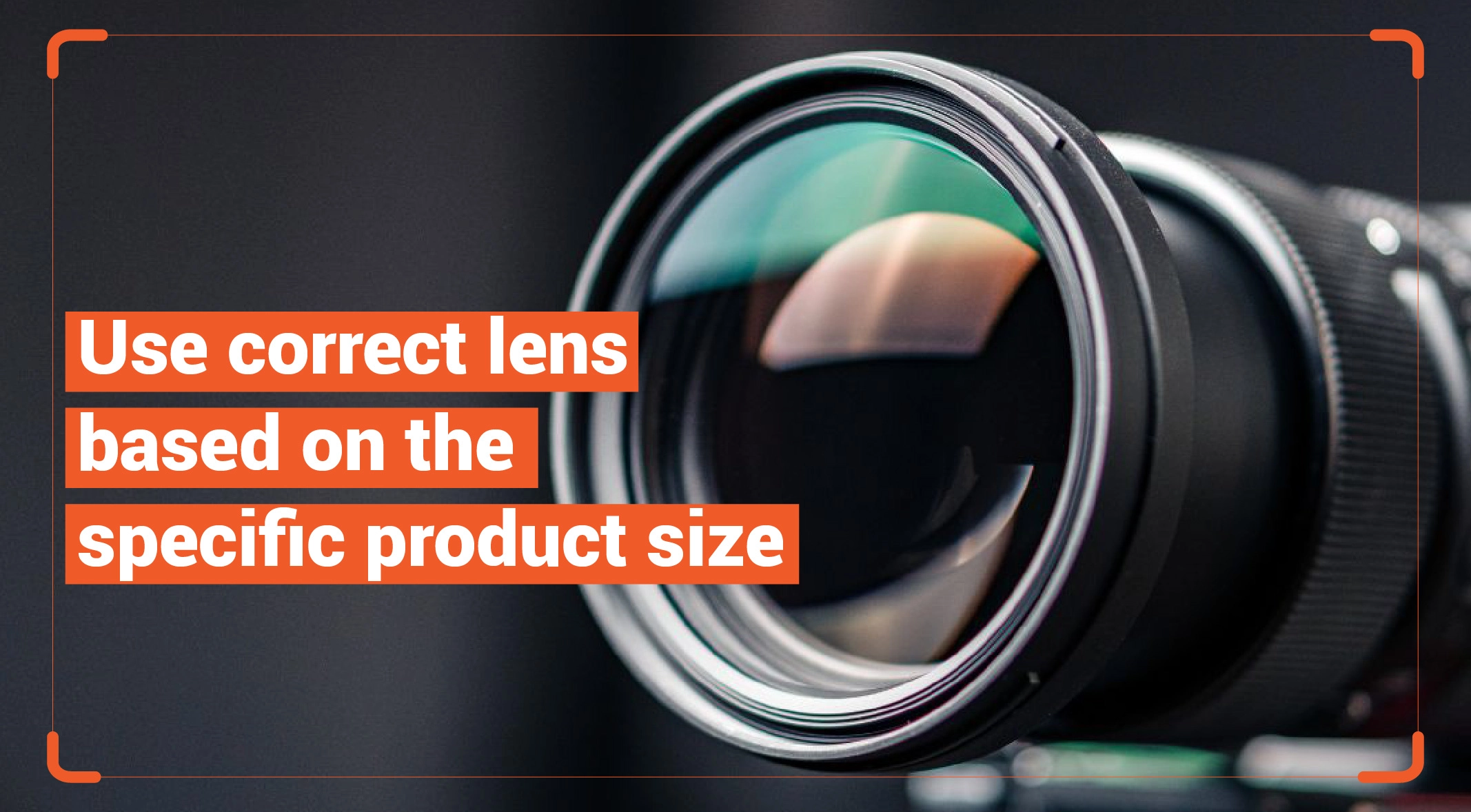
- A professional product photographer can’t think of capturing a perfect shot without a lens. However, an inappropriate lens is the same as not having one.
- One major product photography mistake is choosing a lens for product photography without considering the product size. You can’t use the same camera lens for furniture items and watches.
- Your product type also influences the type of lens you need to use. Using the same lens for macro and close-up shots is inappropriate.
- The focal length should harmonize with your product photography style. For regular purposes, 35mm is good to go. A 50mm lens is the perfect choice for products that need natural looks. But if you want to capture small products with in-depth detail, choose a lens with a 90mm focal length.
You may also like to read… White Background Product Photography: A Complete Guide
14. Not Clicking Enough Photos

- How many images should you add for each product? The more photos you add, the better it helps customers to understand the product.
- Of course, you have limitations. Adding the minimum number of images is a must. Experts recommend using at least 3-5 photos for a single product.
- Take pictures from different angles. You can also capture zoom-in and product-in-action shots. The key is giving customers as many details as they expect from online store goods.
15. Ignoring the Product’s Most Important Features

- A product is distinguished through its features. These attributes set it apart from others. Even dozens of images can’t add any value if you don’t highlight the key features of the product.
- Determine which unique elements you want to represent for marketing purposes. Take specific angles and specific types of photoshoots to highlight those key points better. Don’t forget to use adequate lighting to spotlight those features.
16. Crowded or Too Much Empty Space
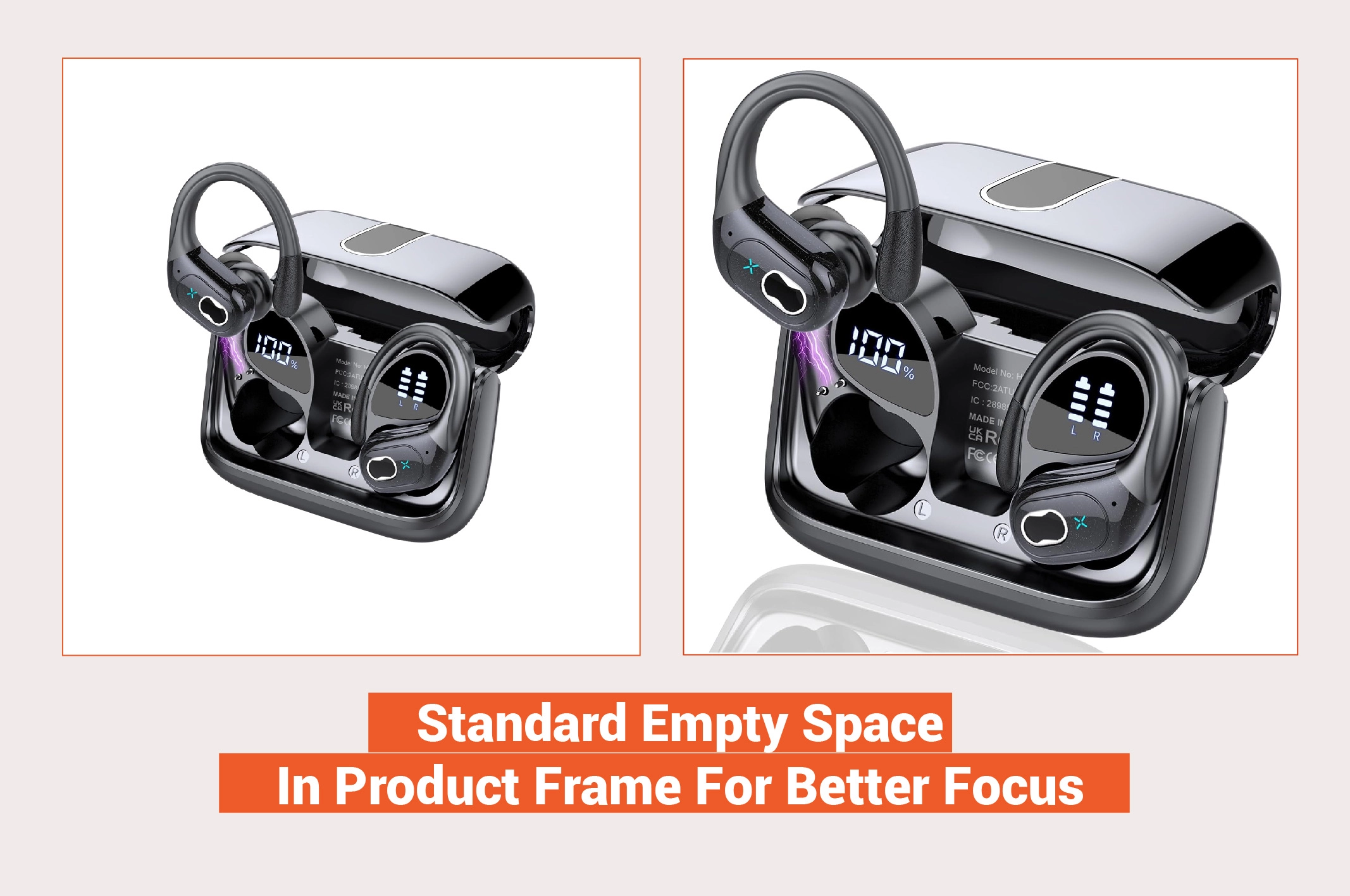
- How much space should you cover in a product image frame? Experts recommend utilizing around 80% to 90% of the frame.
- Avoid filling the entire frame with the product. Viewers may feel over-crowded. The product may appear lost. Keep at least 10% to 15% of the frame space empty.
- In contrast to product photography mistakes, don’t leave too much space. It dilutes focus. The product may appear insignificant or poorly framed. Keep the product fully focused.
17. Overlooking Product Context
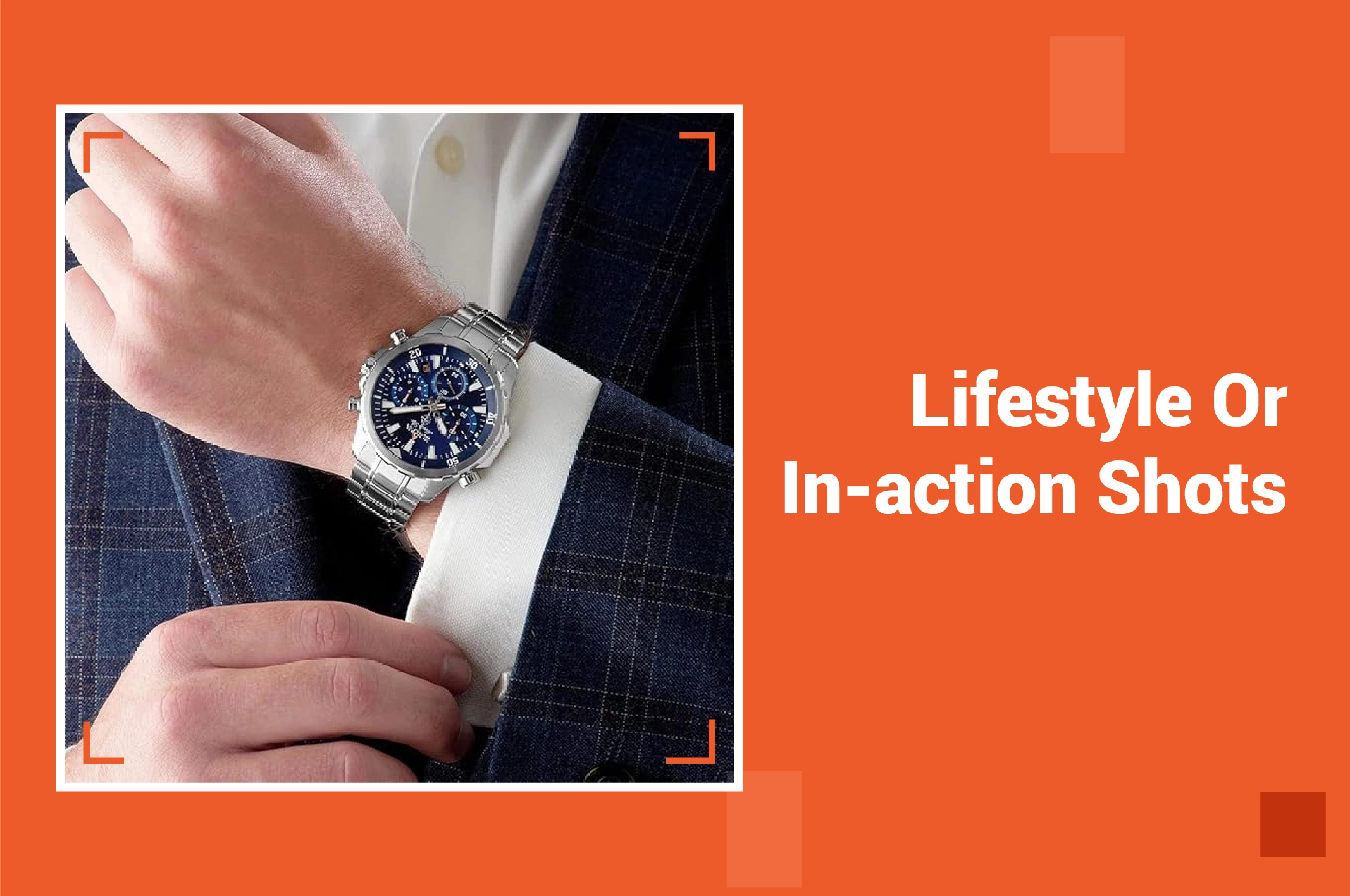
- When you can show how the product can be used in real-life situations, why should you not do it? It doesn’t make any sense, right?
- It is not always a good idea to represent a product with only a plain background. Customers are eager to buy a product personally and emotionally.
- Display the item through lifestyle or in-action shots. It helps prospective buyers visualize how the product can impact their life. They feel more connected.
18. Not Showing Scale

- Are you selling lifestyle products? Displaying the exact size, shape, and dimension is highly important. Unfortunately, customers often struggle to guess the size of a product.
- A simple solution is showing the relative scale of an item. For example, a person holds a water bottle with a fist. It provides a clear-size reference by comparing it to a familiar object—the human hand.
19. Too Much Reflection
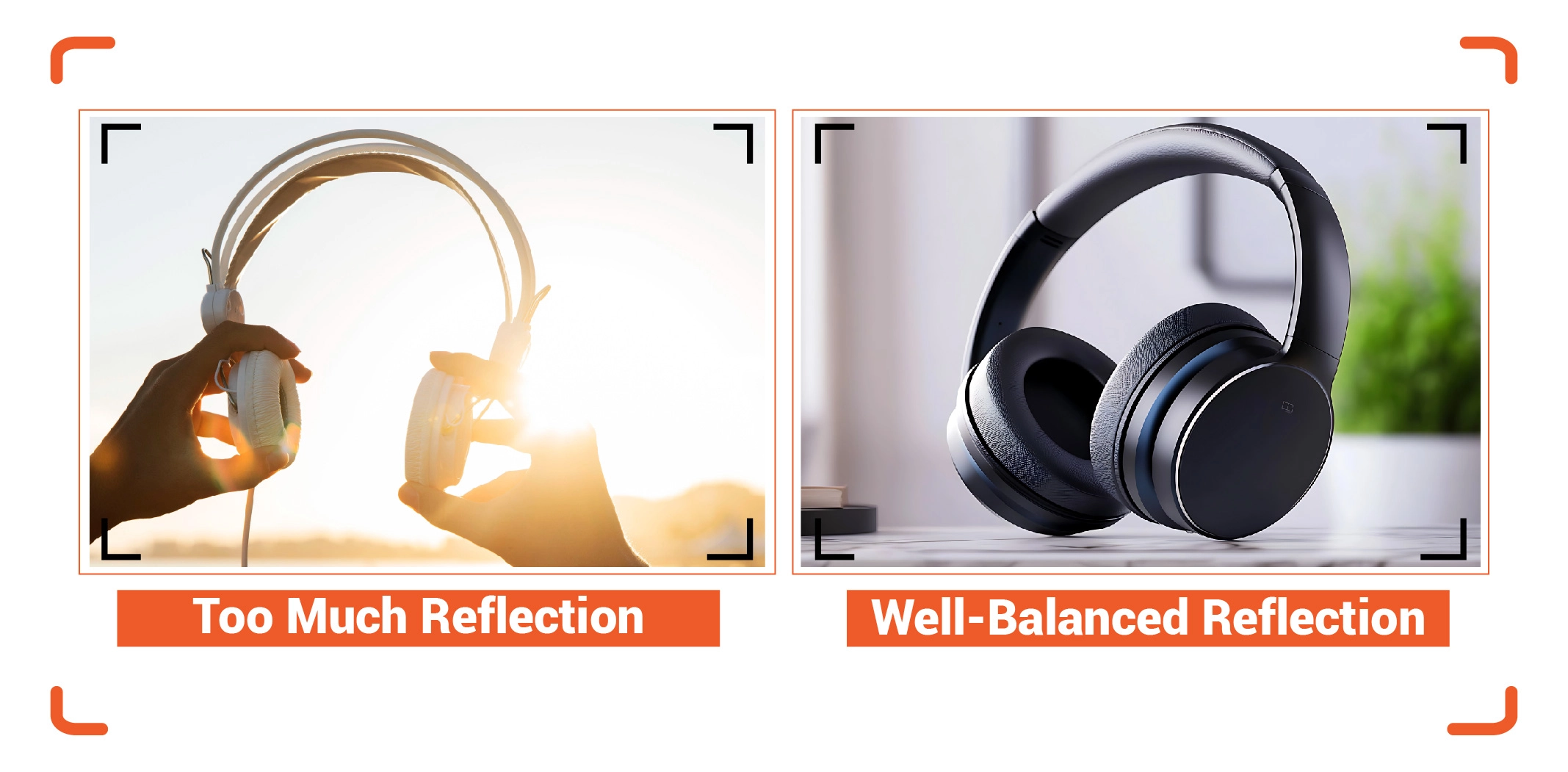
- Natural reflections and shadows can add depth, realism, and composition to products. For instance, displaying a product on a reflective surface creates a subtle effect. It shows professionalism and a well-lit environment.
- However, too many reflections and shadows can obscure the product’s details. They can ruin the look and feel of the item. The color may look distorted. It can reduce product clarity.
- Hence, use reflection and shadow carefully when it will add value to your product presentation.
20. Using Photos from Another Site
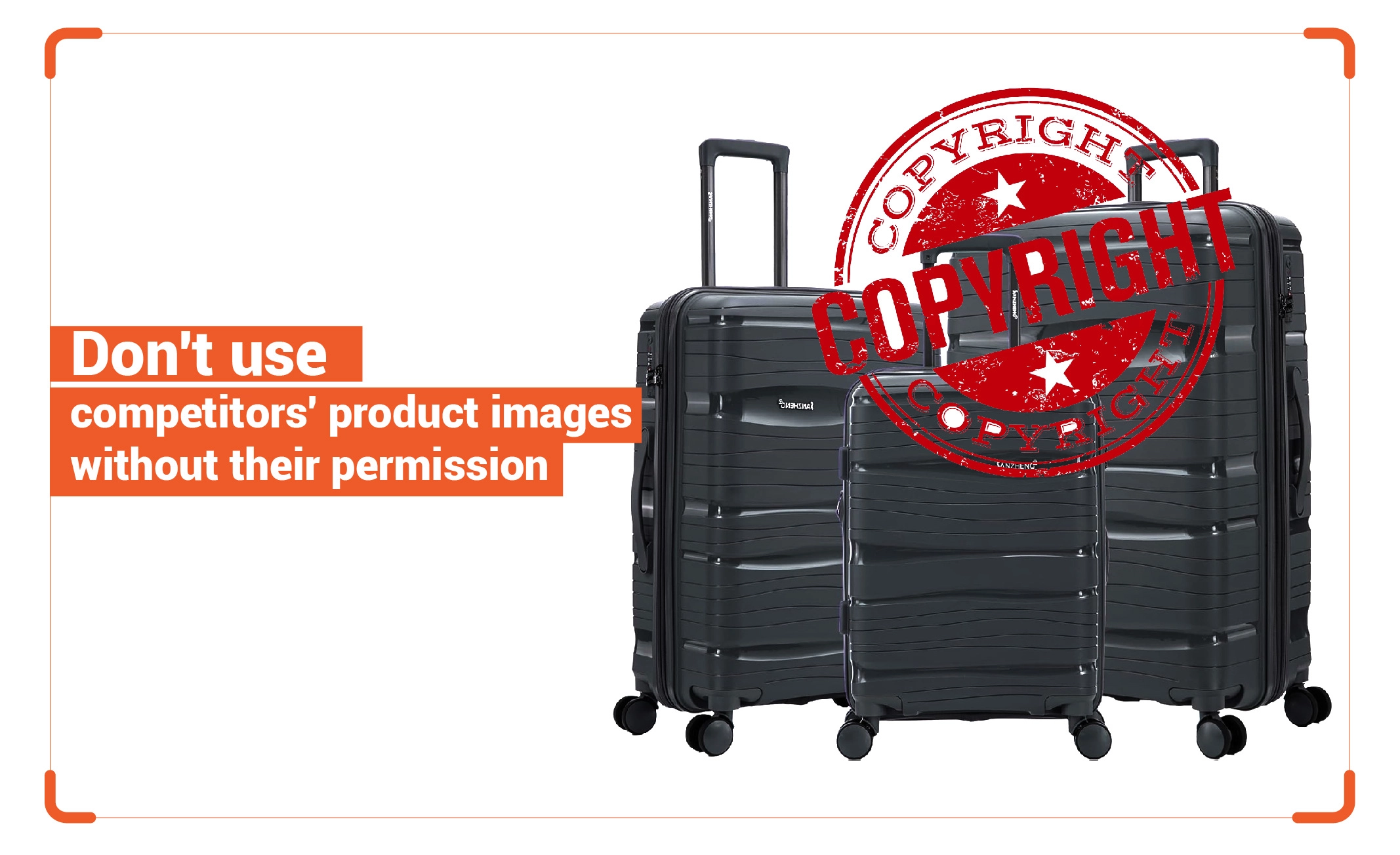
- Just because you sell similar products to your competitors doesn’t mean you will use their images without their permission. Apart from violating copyrights and getting penalties, you are risking your brand image.
- Even if you get permission to use competitors’ product images, it is still better not to use them. It weakens your brand identity and reduces uniqueness. Invest in high-quality product images to build authenticity and establish a distinct brand reputation.
21. Not Considering Where the Images Will Be Used
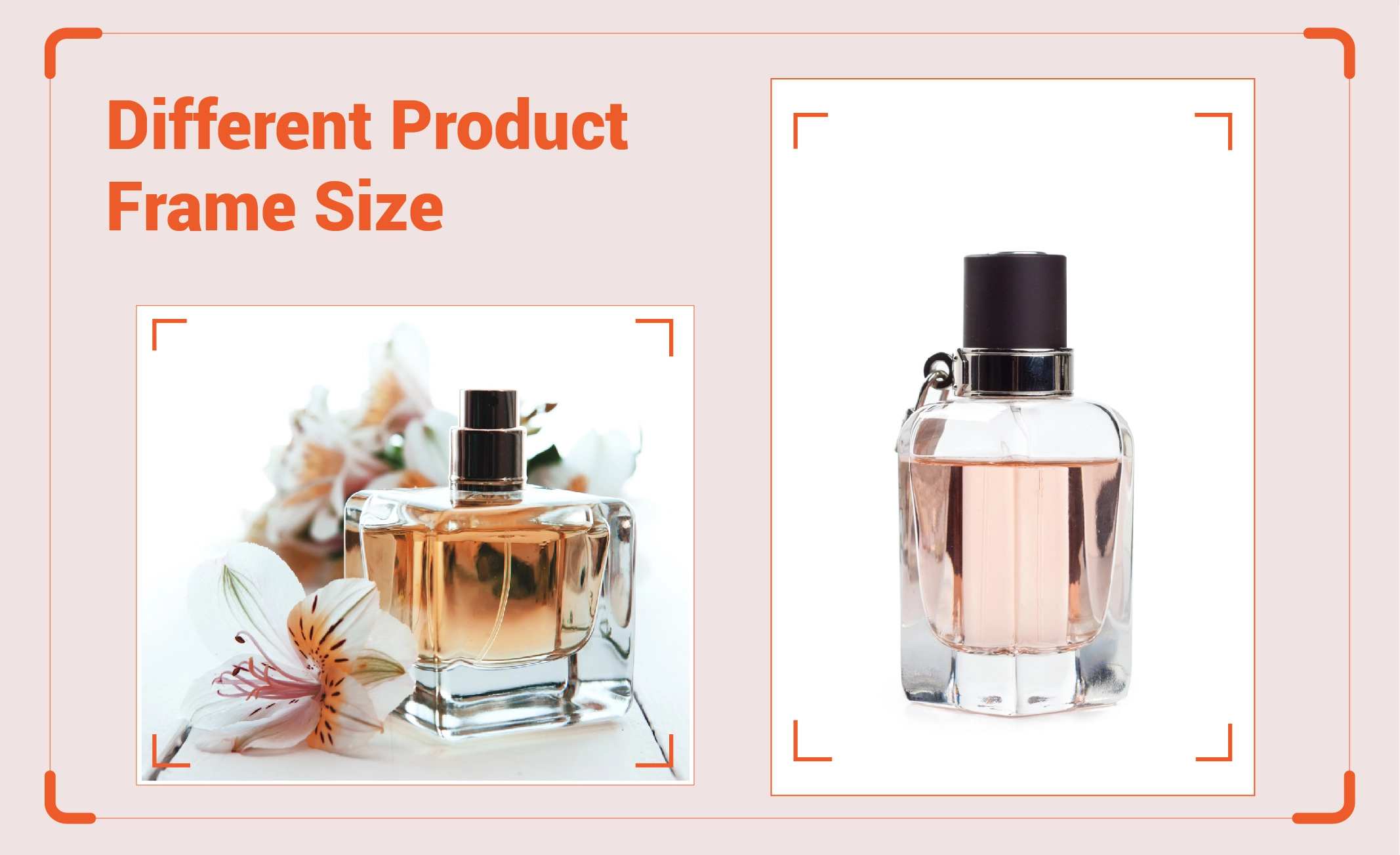
- Different businesses sell their products on different platforms. If you are thinking of using the same product images for all platforms, you are digging your own grave.
- Be certain where your product photos will be used. For instance, if you want to sell your items on social media, vertical or portrait mode is the best choice. They are mobile-friendly. After all, 98% of social media users access them from smartphones.
- In contrast to product photography mistakes, horizontal or landscape mode is the best choice for most websites. If you want to use your product photos on both platforms, capture images in both modes.
22. Props That Don’t Connect

- Props in product images can make or break your sales. Adding irrelevant physical elements doesn’t add any value to the main item.
- Visualize how customers want you to showcase your product. The main objective of using props is to make the entire presentation interesting and to attract prospective buyers.
- Add only those physical elements that match the main product well. For example, you can place some fresh aloe leaves and a cracked coconut beside a shampoo bottle to highlight its natural ingredients.
23. Overdoing the Photo Editing
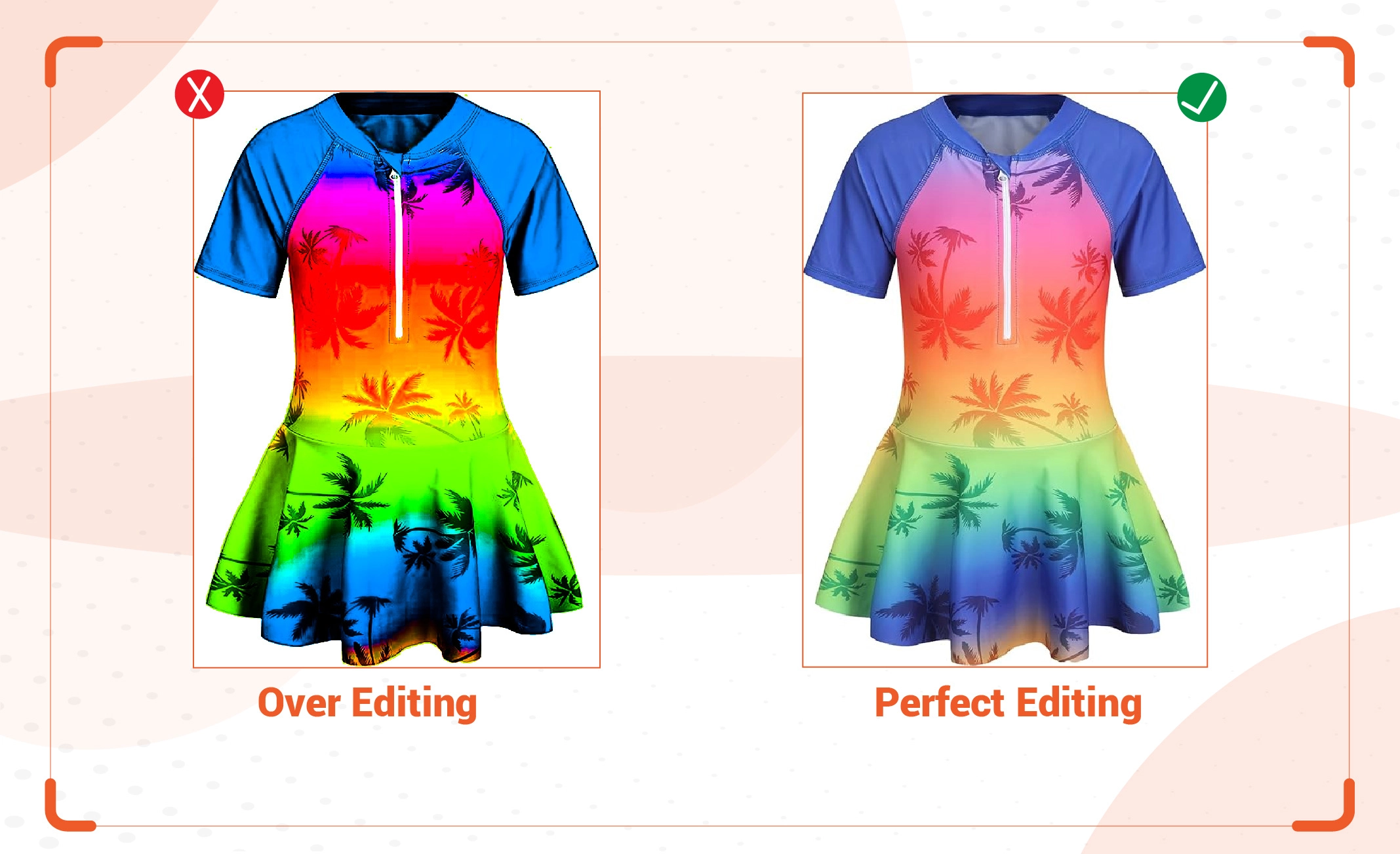
- No matter how good your product photography skills are, product images need a minimum level of editing. You want to showcase your items in the best possible way.
- Unfortunately, we often do over-editing. It does more harm than good. They lack the actual picture of the product. Customers feel confused about their physical appearance.
- When they see too much difference between the online image and the actual product, they will likely return it.
- The key is editing the image where it is needed to showcase the true beauty of the product. Color correction, background change, image shadow creation, final retouching, unwanted object removal, etc., are important stages of post-production. Do it cautiously to get the best output.
Frequently Asked Questions for Common Product Photography Mistakes
1. What are the most common product photography mistakes regarding lighting?
The most common errors include poor placement and intensity, which create harsh shadows and obscure the product’s true color and texture. Using overhead lighting is an effective way to highlight depth instead.
2. Why is using a tripod essential for high-quality product photos?
A tripod prevents blurry or shaky photos by providing stability. It is especially helpful for low-light conditions requiring longer shutter speeds and for maintaining a consistent frame across multiple shots.
3. How much of the camera frame should a product occupy?
Experts recommend that the product should cover approximately 80% to 90% of the frame. Leaving 10% to 15% empty space prevents the image from looking overcrowded while keeping the product fully focused.
4. Can I use product images from a competitor’s website?
No. Using images from another site violates copyrights, risks penalties, and weakens your brand identity. Original, high-quality images are necessary to build authenticity and uniqueness.
5. Is it necessary to edit product photos after the shoot?
Yes, a minimum level of editing, like color correction and background removal, is needed. However, over-editing is a mistake that confuses customers if the final product looks different from the online image.
Conclusion
If you can avoid these common product photography mistakes, you will easily get some great photos to upload to your online store. Fix the mistakes related to the background, lighting, and camera setup during the photo shoot, and you will end up with great shots.
This will reduce your post-production workload by almost half. You know that the more flawless the original image is, the less work you have to do on it during image editing. Even then, paying attention to things like picture size, resolution, contrast, etc., will further enhance the shot.
Finally, be careful not to over-edit the picture so that it does not destroy the genuineness of the product. You must not want all your pre-production efforts to be in vain.